MAGICAL EGYPT PRESENTS
Magical
SIEM REAP
SIGN UP FOR UPDATES
Decoding the Temples of Khemer
WALKING THE TEMPLE IS A PRACTICE OF KARMA YOGA.
IT IS A RITUAL OF REMEMBRANCE
—A PATH FOR THE SOUL TO RECOGNIZE ITS OWN ECHO IN STONE AND SKY,
TO RECALL WHAT IT IS,
AND WHO IT HAS ALWAYS BEEN.
To walk a sacred temple without understanding is to admire a book by its binding. But when one grasps the esoteric architecture—the metaphysical intent encoded in every line, axis, and proportion—the temple ceases to be stone and becomes revelation. It is no longer a monument to the past but a living text of cosmic instruction. Each step becomes initiatory, each threshold a veil parted. You are not simply visiting; you are being restructured. The geometry is not symbolic—it is the thing itself. And once your body has moved through its sequence, your psyche cannot remain unchanged. You remember something the world made you forget.
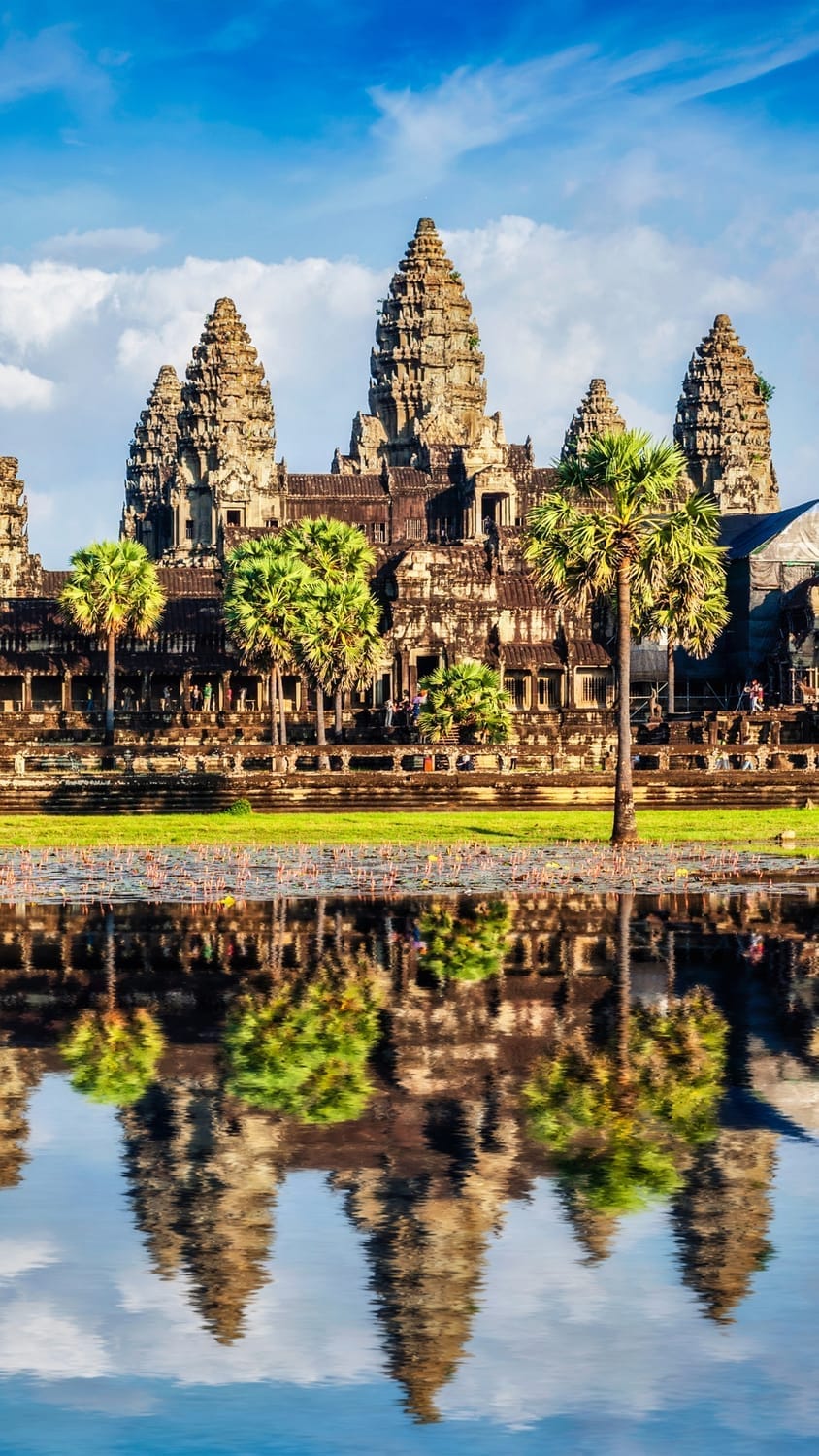
ANKOR WAT
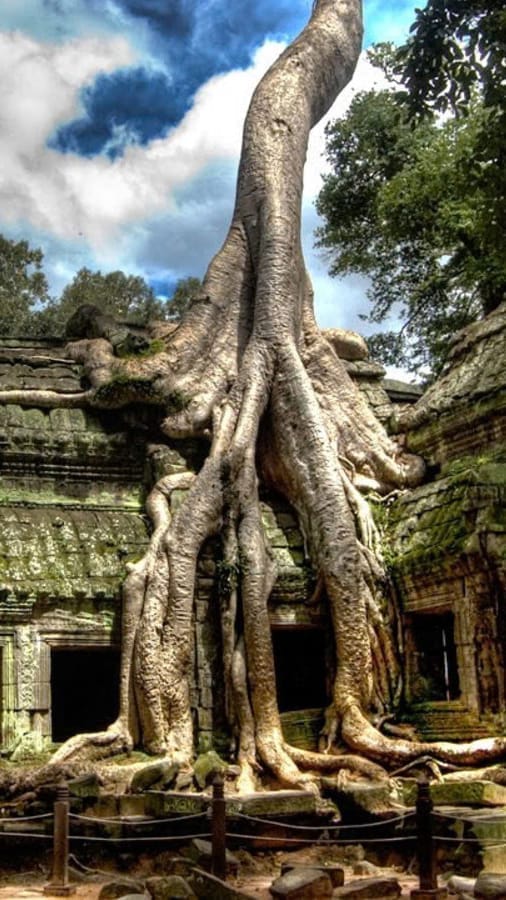
TA PRHOM
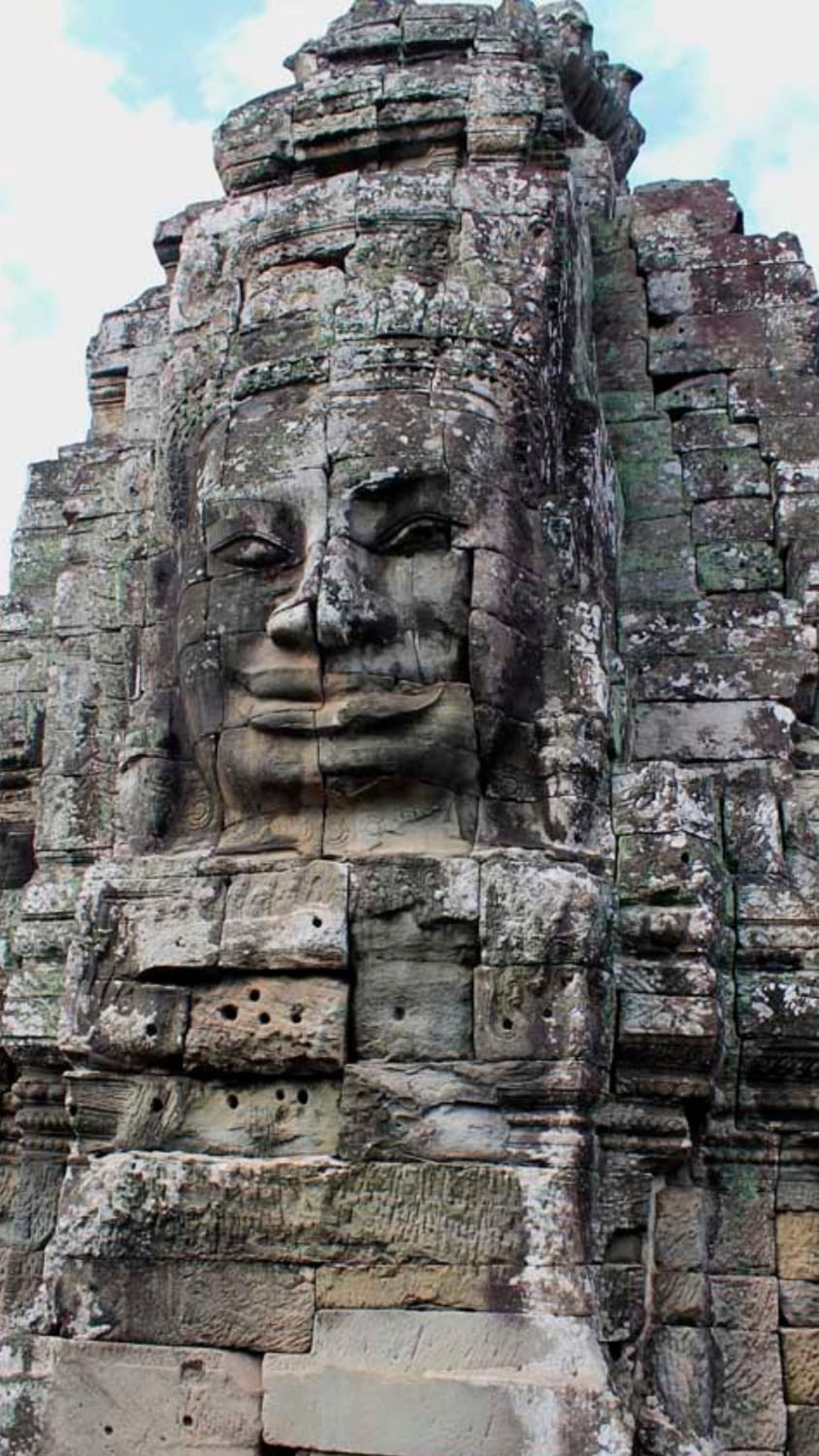
BAYON TEMPLE
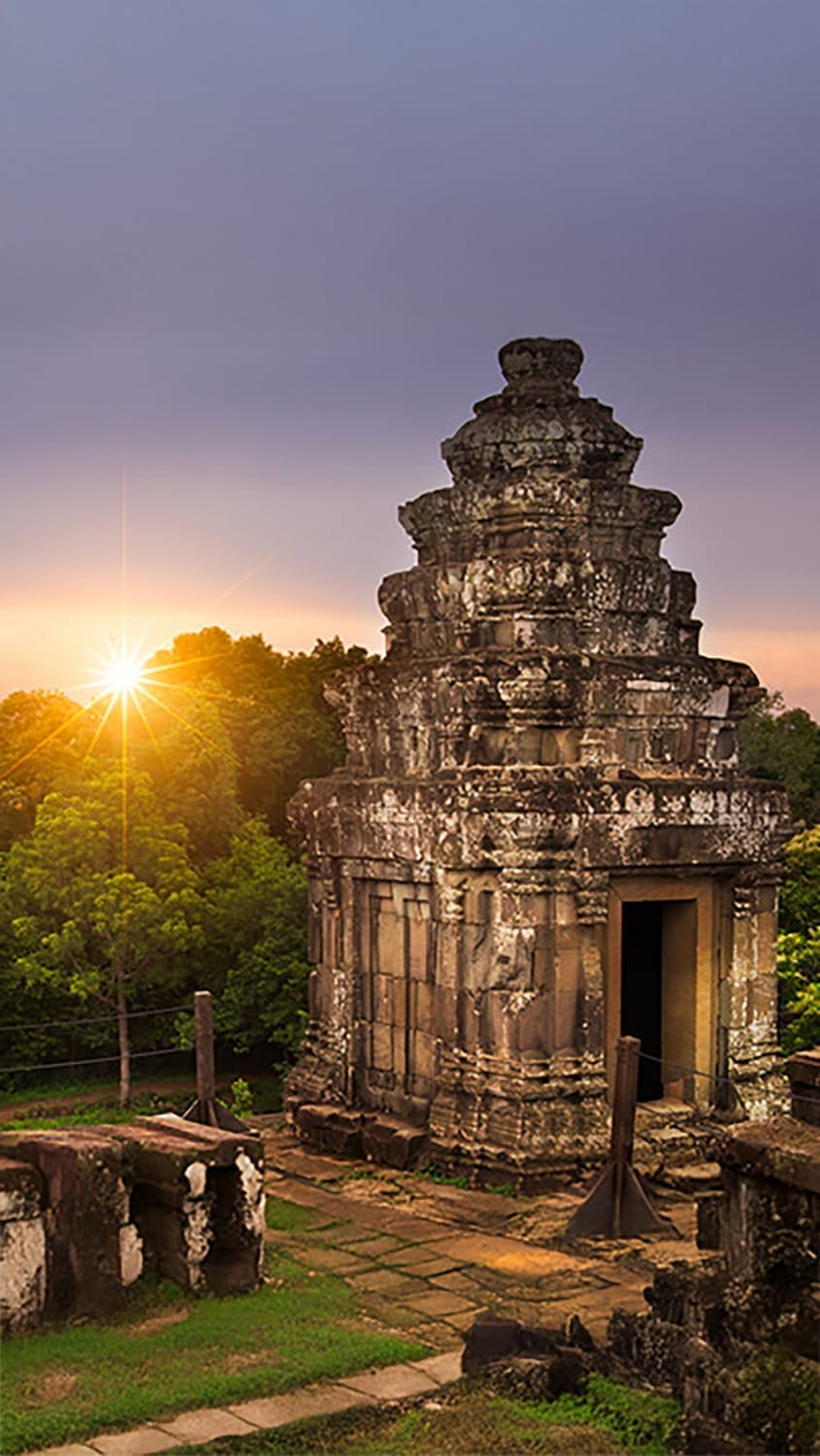
PHNOM BAKHENG
Magical Siam Reap
DAY ONE — Arrival + Gentle Exploration
Arrive, exhale, and ease into the rhythm of Siem Reap. Check in, drift to the pool, and let the travel unwind from your shoulders. Spend the afternoon wandering the Old Market and artisan workshops, discovering textures, colors, and small treasures. End with a soothing massage and an early dinner—a perfect soft landing before the journey truly begins.
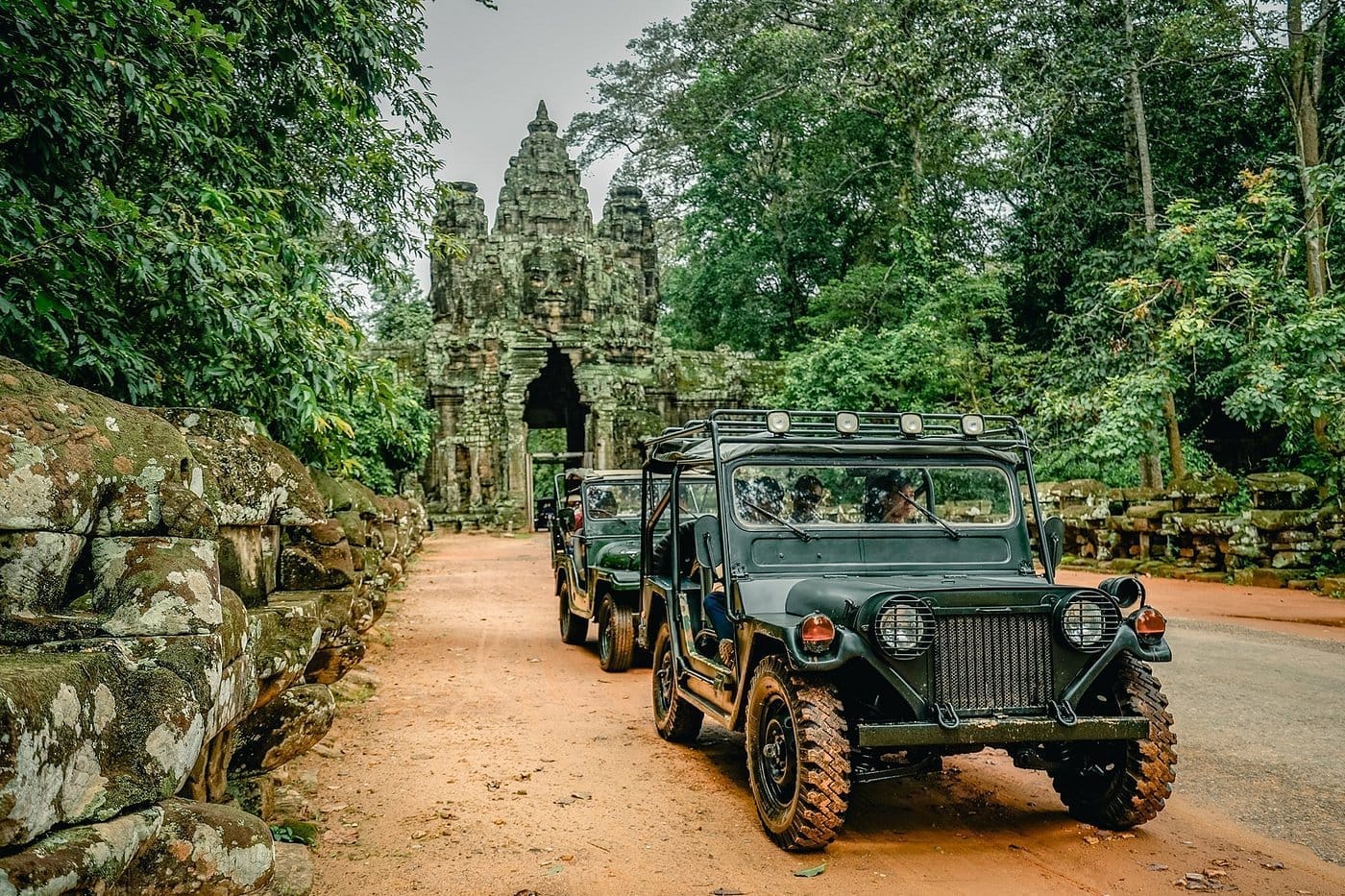
As the light softens, ride through quiet villages in a vintage Jeep, then slip into Bayon just as the stones turn gold. Close the day with a sunset glide along Angkor Thom’s ancient moat aboard a dragon boat—champagne and canapés in hand.
A memory that feels stolen from another lifetime.
DAY TWO — Settle In, Unwind, and Prepare
A day designed for softening. A quiet exhale that lets the body arrive before the spirit begins its deeper work. You wake slowly, drifting between sun-warmed water and a lingering, sumptuous breakfast. No hurry. Just the gentle settling of breath and bones as you attune to heat, light, and the new rhythm gathering around you.
As the day unfolds, you wander through the creative heart of the city—textiles, silk, small galleries, and handcrafted beauty. Colors, textures, and curious objects invite you into an unhurried drift where nothing is required and everything is discovery. You follow what draws you, letting the mind loosen and the senses reawaken.
Later, the world narrows to touch. A long, grounding massage dissolves the quiet knots of travel and steadies you in your own skin. Muscles soften, breath deepens, and the body remembers itself—preparing you for the days of temples and thresholds to come.
As evening cools the edges of the day, you step into the pulse of Khmer cooking. The scent of herbs and citrus, roots and spice, the vivid textures of the market—your first initiation into the land’s own language of flavor. Then fire, laughter, chopping, stirring, creating. A meal shaped by your own hands, shared with new companions, the first communion of the journey.
By nightfall, something subtle has shifted. You feel nourished, restored, gently woven into the group. The mind is quiet, the body open, the spirit ready for what awaits
DAY THREE- A Day of Forest Temples, Stone Faces, and Royal Symbolism
Begin your morning inside the quiet enchantment of Ta Prohm, where roots cascade over stone like living waterfalls and the forest seems to cradle the ruins in its arms. The early light slips through the branches, revealing doorways, corridors, and carvings softened by centuries—a dreamlike place where nature and temple breathe together.
Then move into the luminous presence of Bayon, where hundreds of serene faces gaze out from the towers. Their expression—calm, compassionate, knowing—creates a feeling of being witnessed by something ancient and benevolent. Every angle reveals another smile, another mystery.
After a relaxed lunch, the journey shifts into the open air and the old royal heart of the city.
Walk the Terrace of the Elephants, the grand stone platform once used for royal ceremonies, processions, and displays of power. Carved elephants emerge from the walls like guardians of an earlier world.
Continue into the Royal Grounds, where wide spaces, raised platforms, and ancient foundations speak of courts, councils, and a city that once pulsed with regal life.
Close the temple explorations at the Terrace of the Leper King, with its deeply carved inner walls—a symbolic descent into layers of myth, judgment, and rebirth. A quiet, contemplative finale.
The afternoon invites rest—pool, nap, private time.
As evening falls, enjoy a lovely dinner in a mythical garden, lanterns flickering through leaves, the day settling around you like a gentle ritual.
A day of wonder: forest magic, royal symbolism, and open-sky majesty—rich, resonant, and perfectly paced.
About Ta Prohm: Originally known as Rajavihara (“Royal Monastery”), was founded by King Jayavarman VII in the late 12th century as a Mahayana Buddhist monastic complex. Dedicated to his mother and intended as a spiritual center for healing and merit-making, the temple functioned as both a religious institution and a seat of royal devotion. Inscriptions indicate it housed over 12,000 people, including priests, monks, and temple workers, and was richly endowed with gold, pearls, and silk.
Unlike many other temples of Angkor that have been heavily restored, Ta Prohm was left largely in the condition it was found—overgrown by trees and roots—by the École française d'Extrême-Orient, which aimed to preserve what they called its "picturesque" and "romantic" quality. This state of controlled ruination has made Ta Prohm a focal point in debates about conservation philosophy: whether to restore or to honor the aesthetic of sublime decay.
Symbolically, scholars have noted how the entanglement of architecture and jungle evokes themes of nature’s reclaiming of human ambition. The image of roots enveloping stone has been interpreted as a metaphor for the temporality of empire, the fragility of human legacy, and the return of all constructed forms to the ground of being—ideas resonant in both Buddhist thought and postcolonial critique.
From a spatial perspective, Ta Prohm reflects the classical Khmer temple plan, organized around a central sanctuary with concentric galleries and courtyards, aligned to cosmological principles. Its orientation and axial layout reflect the Khmer synthesis of Indian cosmology and indigenous animist traditions, embedding within the stone a mandalic understanding of space as both physical and metaphysical.
DAY FOUR Angkor Sunrise + Temple Tour + Golden Hour Photoshoot Day
ANKOR WAT : In the hush before dawn, the silhouette of Angkor Wat rises against a deepening sky—its towers like frozen flames, awaiting ignition. As the horizon softens and the first gold breaks through, we cross the causeway not as tourists, but as initiates.
This is not a casual entrance, but a ritual one.
We move in silence, tracing the same eastern axis the sun has followed for centuries—an alignment not only of astronomy, but of intention. With each step, we engage the temple’s geometry as it was meant to be engaged: as a theurgical threshold, tuned to rebirth and resonance.
The rising sun is not just light, but signal—activating the structure’s latent metaphysics. We are stepping into a machine of stone and myth, one calibrated to orient the soul beyond death, and if one is ready, beyond the cycle itself.
At Angkor Wat, we go beyond historical admiration to engage with it as a living technology of consciousness. Esoterically, we will explore how the Khmer architects functioned as theurgists—ritual technologists who fused cosmology, myth, and geometry into operative systems of transformation. Through guided exploration and decoded symbolism, you’ll learn how Angkor Wat serves not merely as a sanctuary for the gods, but as a sophisticated apparatus for afterlife orientation and incarnation engineering.
We’ll examine how sacred proportions, axial alignments, and mythic reliefs form an initiatory path—designed to re-pattern the soul's descent into matter and its return to source. These teachings will reveal how the temple was constructed to do more than honor the divine—it was built to replicate divine processes, enabling participants to ritually and energetically ascend. This is not symbolic. It is functional. And once seen, it changes how you understand every sacred site that followed.
DAY FIVE
Morning at Banteay Srei — Temple of Women
The first light falls soft and rose-tinted, as though the dawn itself had carved this shrine. Banteay Srei, the “Citadel of Women,” is no fortress of stone but a jeweled casket set in the jungle. Its walls seem less built than embroidered, every lintel and pediment etched with the delicacy of a lover’s hand. Walking here at dawn is like stepping into the breath of a goddess still dreaming. The air is perfumed with resin and earth, and the carvings glow pink with the rising sun, revealing stories of apsaras, gods, and demons caught forever in the lacework of sandstone. It is a temple that whispers: creation is an art of infinite patience, and beauty itself is a form of prayer.
Evening at Preah Khan — The Sword of the Sacred
By dusk, you enter Preah Khan, its name meaning “Holy Sword.” Where Banteay Srei is intimate, Preah Khan is sprawling — a labyrinth of stone, shadow, and strangler fig. The jungle has claimed it in a fierce embrace; roots like serpents coil over crumbling doorways, archways gape into darkness, and the corridors seem to breathe with unseen presences. At twilight, shafts of dying light pierce the ruins like celestial blades, as if the temple itself still wields the weapon it was named for. Once a city within a city, now it feels like a threshold — a liminal ground where human endeavor and nature’s sovereignty wrestle in silence. Walking here in the evening is to feel the pulse of impermanence: grandeur fading into mystery, yet not extinguished.
DAY SIX — A DAY SUSPENDED BETWEEN WORLDS
Day 6 unfolds like a breath held between worlds. The morning is gentle and unhurried, a soft drift through quiet hours. Nothing presses in; the day asks only that you move lightly, letting time settle around you like silk.
Then we make our ascent to Pre Rup—the great pyramid of shifting light. Built as a temple-mountain aligned to the cosmic axis, it rises in steep tiers of laterite and sandstone that glow like embers in the early sun. Climbing its terraces feels like passing through layers of time: each platform a threshold, each step a reminder of how the ancient Khmer shaped stone into a model of the universe.
From the summit, the world opens—rice fields, jungle, and the silent geometry of Angkor unfolding in every direction. An exhilarating beginning, suspended between earth and sky.
By afternoon, everything hushes. A final wander through boutiques, a cool drink in the shade, the soft gold of Siem Reap drifting through leaves. It is a threshold time—an anteroom to something luminous. You return to the hotel refreshed, as though preparing for a small rite.
Then comes the moment the day has been leaning toward: the ascent into sky.
The hot air balloon rises slowly, almost reverently, lifting you above the treetops where ancient towers catch the last honeyed light. Below, the forest glows like a living weave; above, the sky opens in quiet ceremony. Suspended between earth and heaven, stillness deepens, wonder sharpens, and the world is briefly illuminated.
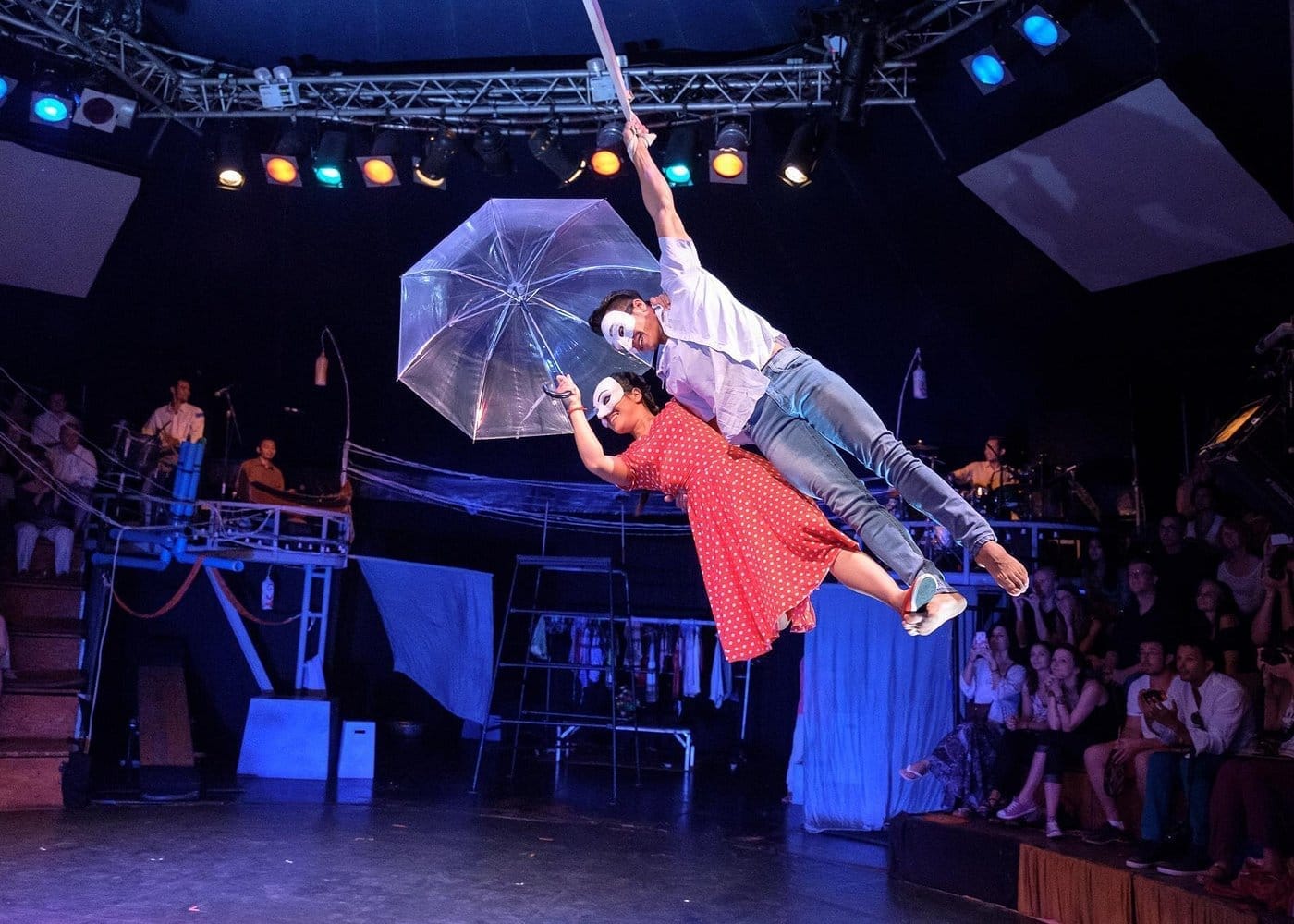
Night gathers, and with it a different kind of enchantment—the circus. Not the loud, gaudy spectacle of the modern world, but a contemporary Cambodian circus crafted from movement, story, and impossible grace. Acrobats arc through the air like brushstrokes, bodies telling tales of villages, spirits, and the pulse of Khmer imagination. It is art in motion—raw, human, luminous.
A day held between heights and heartbeats—
sky, silence, story, and the spark that leaps when the ancient and the modern meet.
DAY SEVEN -YOUR DAY, YOUR WAY
A final day shaped entirely by your own curiosity. Revisit any temples you’ve missed or long to see again. Wander the Old Market, run your hands over silks and woven fabrics, hunt for treasures, or simply drift through the stalls with no agenda at all.
If you’re feeling adventurous, take a jeep ride into the countryside and let the landscape unfold around you. Or keep it gentle—coffee, spa, quiet corners, whatever calls to you.
This day is yours to design: roam, rest, shop, explore, or savor the city one last time in your own rhythm..
Optional excursion to the lake or a village shaped by water may be part of your package or offered as an add-on — you choose.
The rest of the day is for integration: final massage (if you wish), last-minute gifts, or simply one more swim.
In the evening a lovely meal, a simple closing circle with the group: stories, reflections, and gratitude. Whether this happens over drinks, dessert, or a quiet corner is up to the moment.
“An open day for the journey to sink in, rather than be rushed away.”
SPECIAL MOMENTS:
Cooking in the Kingdom of Flavor
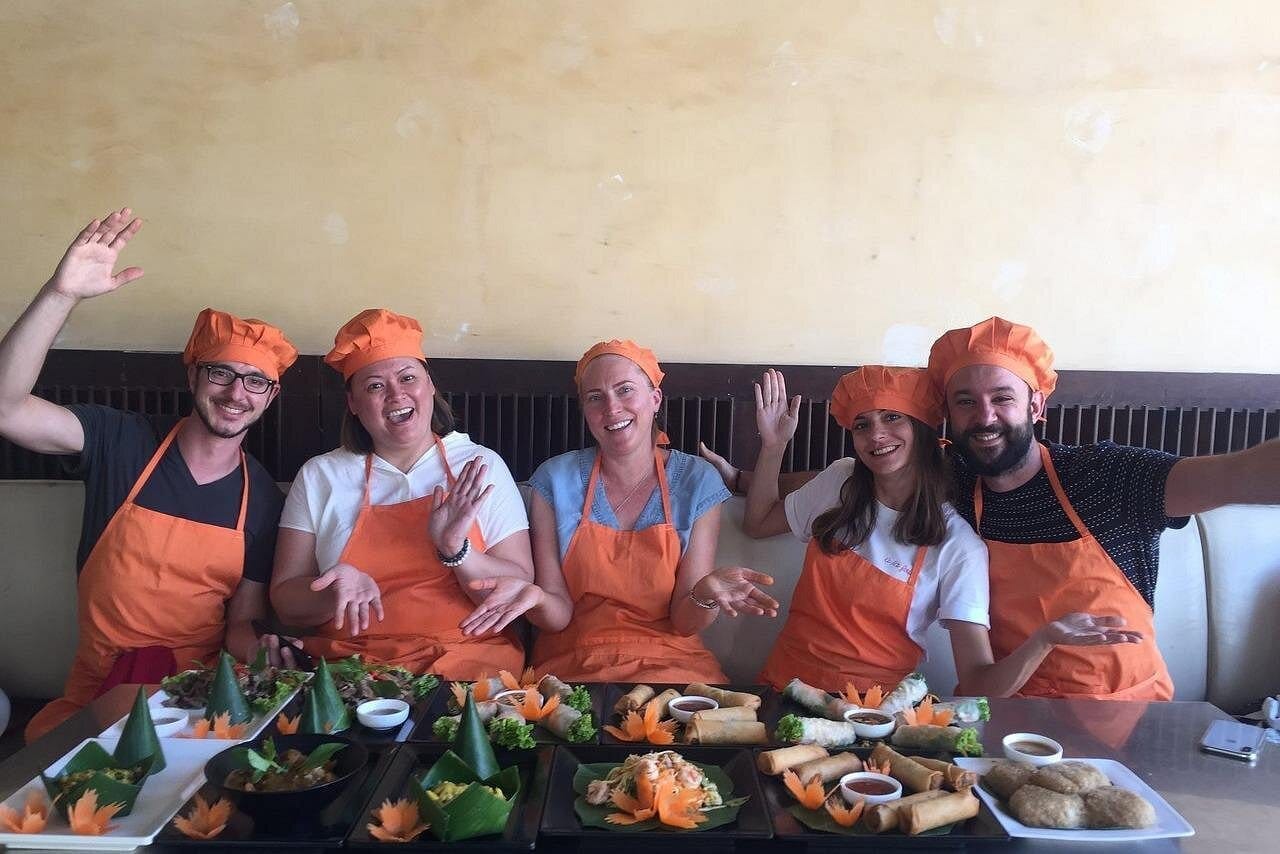
Step into the fragrant heart of Khmer tradition, where mortar and pestle become drum and altar. In this small, intimate circle, you will be guided by a master of flavors through the secrets of chicken curry rich with golden spice, and beef lok lac shimmering with lime and fire. Each ingredient is a story, each technique a ritual—lemongrass whispered into paste, palm sugar melting like sunlight in your hands.
Together, you will summon these dishes into being, then share them at the table as though partaking in an ancient feast. And when you return home, the journey continues: a digital grimoire of recipes in your hand, waiting for the moment you choose to call these flavors forth again, to conjure Siem Reap’s memory in your own kitchen.
Sunset Jeep Tour
Ride through quiet villages by vintage Jeep, slip into Bayon as the stones turn gold, then drift along Angkor Thom’s ancient moat on a sunset dragon boat, champagne and canapés in hand.
A memory that feels stolen from another lifetime.
Circus!
Experience Cambodia’s famed Phare Circus—a thrilling fusion of acrobatics, theater, live music, and storytelling that has become one of Siem Reap’s most celebrated cultural treasures. This is not a traditional circus; it is a pulse of contemporary Khmer artistry, where performers trained at a world-renowned arts school turn movement into narrative and physicality into poetry.
Audiences often describe it as “the most unexpected highlight of the entire trip,” praising its emotional power, authenticity, and sheer talent. Many say they arrived curious and left moved, electrified, and deeply connected to Cambodia’s modern creative spirit.
A show that stays with you long after the lights dim—vibrant, human, unforgettable.
A Table of Grace and Renewal
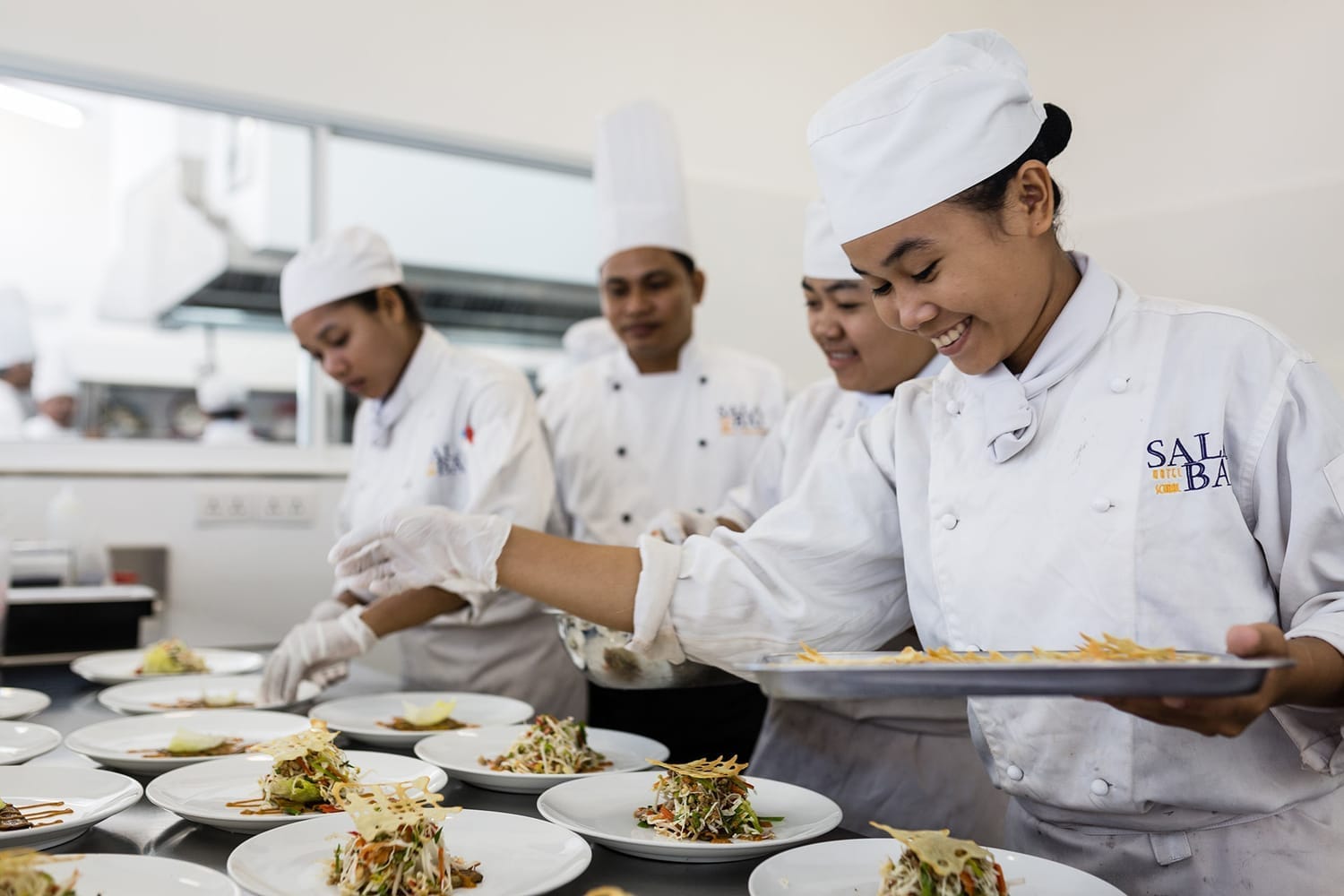
We will gather for a special dinner at a training restaurant operated by a respected NGO. Here, young Cambodians from underprivileged backgrounds receive professional hospitality training. The menu features a thoughtful selection of Khmer and international cuisine, prepared and served by the students as part of their hands-on education. By dining here, you’re not only enjoying a beautiful meal—you’re directly contributing to the empowerment and future of these students, helping them build sustainable careers in the hospitality industry.
Traditional Massage
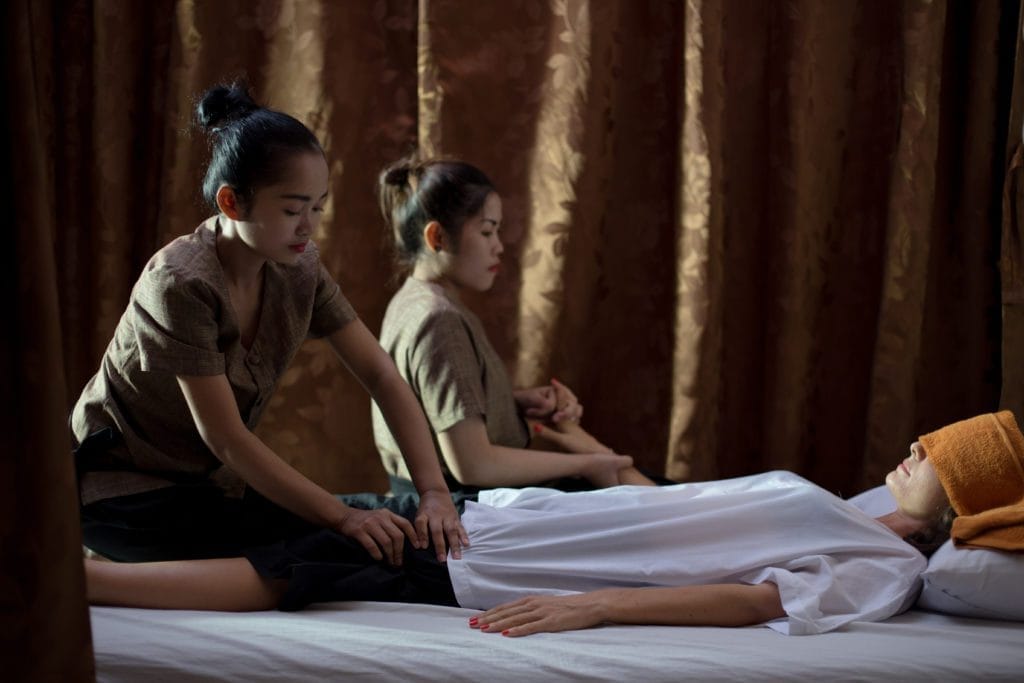
After the temples have stirred the spirit and filled the mind with echoes of gods and apsaras, we return to the body. Everyone receives a traditional Khmer massage — slow, grounding, and precise, as though the ancient healers knew that stone visions must be anchored in flesh. The pressure and stretches press memory back into muscle, reminding us that we walk the earth, that our journey is carried not only by thought but by sinew and breath.
It is a ritual of return: after the soaring towers and sacred stories, the body is kneaded back into presence. The massage becomes the counterweight to the temples — rooting us, steadying us, sealing the day’s vision into the very fabric of our being.
Dress Like the Ancients at Angkor Wat
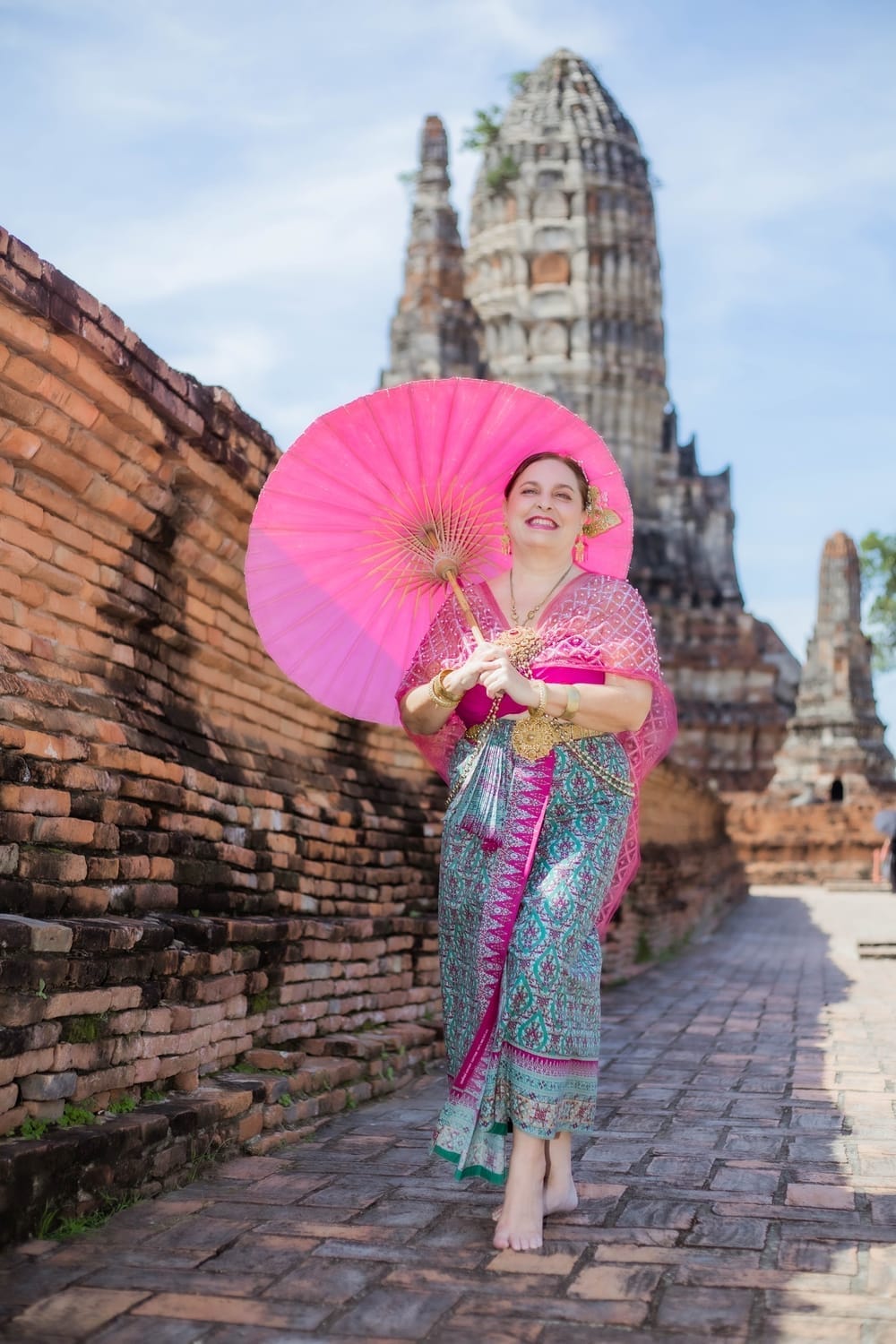
Step into another century. In Siem Reap, you can be wrapped in traditional Khmer silk — gold-threaded, jewel-toned, and shaped like the carvings themselves. Local ateliers offer full regalia: anklets, sashes, crowns, and embroidered skirts worthy of a temple relief.
Once dressed, your photographer will guide you to the temple gates at dawn or dusk, when the stones blush with light and the air turns to gold. The result isn’t a costume moment — it’s a living portrait, a chance to appear inside the architecture that once depicted gods and queens.
It’s part play, part pilgrimage — a way to see Angkor not as a ruin, but as a mirror.
Photographic Support
From the first threshold to the final sunset, your journey will be professionally documented in images that honor the mythic atmosphere of the temples. Our photographer travels with us—not as an observer but as a storyteller—capturing the geometry of light, the texture of stone, and the quiet moments where something ancient brushes against the modern world.
You’ll leave not just with memories, but with a portfolio of images that reflect who you were in these places, and who you became inside them.
Educational Support
As part of your journey, two beautifully designed preparation classes are included in the cost of the trip. Why? Because entering a sacred site with knowledge changes everything. You don’t just see a temple—you feel its structure working on you. With the right preparation, the architecture becomes a teacher, and your walk becomes an initiation.
CLASS ONE
Esoteric Anatomy
In this class, we learn how to walk a temple. We explore how to experience a Buddhist temple or stupa—not as a tourist, but as an initiate. Drawing on Keith Critchlow’s and Adrian Snodgrass's esoteric insights, we’ll learn how to approach sacred architecture as a living field of intelligence. The stupa is not a monument to be admired, but a structure to be entered, encircled, and understood with the body as much as the mind. From the grounding square of the earth to the ascending spire of the heavens, we’ll uncover how each layer of the temple guides consciousness upward. You’ll learn how to walk a temple with reverence and attunement—allowing its geometry to reorient your perception and awaken memory.
CLASS TWO
The Living Temple: Culture and Hidden Wisdom of Angkor Wat
This course is an anthropological and esoteric study of the ancient Khmer civilization, focusing on the sacred city of Angkor. Drawing from the 13th-century eyewitness accounts, we explore the daily life, rituals, gender roles, spiritual practices, and architectural cosmology of a society that encoded its metaphysics into stone, ceremony, and social custom. While grounded in historical detail, the course also reads between the lines—tracing the invisible threads of belief, power, and sacred design that shaped one of the most sophisticated civilizations in Southeast Asia.
PARTICIPATION OPTIONS
The Angkor Luxury Immersion
A 5-STAR HERITAGE,
ALL-INCLUSIVE JOURNEY THROUGH MYTH AND MAJESTY
SUNDAY 8–15 FEBRUARY 2026
All inclusive Luxury Includes
5 Star Luxury Heritage Hotel and Transfers
All Meals
All Temples Passes and Transportation
Licensed Guide in addition to Vanese and Chance
On Site Photographer
Full Khmer regalia + Photoshoot
2 x Massages
Cool towels and water at Temples
Ballon Ride
Cooking Class
Sunset Jeep Tour
A Dragon Boat Glide Along Angkor Thom at Sunset — Champagne and Canapés Included
Preliminary Education
Pre Trip Meetings
Rest assured, the schedule is designed with spaciousness in mind, leaving you abundant time to wander, shop, swim, unwind, and enjoy the city beyond our shared experiences.
Double Occupancy $4,411 Per Person
Single $5,181
TheField-Based Pilgrimage
A LIGHTER CONTAINER, WITH MORE PERSONAL CHOICE — WHILE PRESERVING THE CORE INITIATORY ARC OF THE JOURNEY.
SUNDAY 15-22 FEBRUARY 2026
Simpler hotel
Most meals independent
Two hosted dinners
Same temples
Same teaching
Same hosts
Same depth
Same Experiences
MEALS & DINING RHYTHM
This journey is designed with spaciousness and choice in mind.
We will provide a carefully curated list of excellent local restaurants — from refined Khmer cuisine to relaxed cafés and quiet garden spots — so you always know where to eat well, easily, and safely.
On most days, meals are open and unstructured. We’ll share where we’re planning to eat, and you’re warmly welcome to join us — or to follow your own rhythm and explore independently.
This approach keeps the experience light, flexible, and human — while still offering moments of togetherness when they matter most.
You’re supported, never managed.
Double Occupancy $2,750 Per Person
Single $3,000
Non Refundable Deposit $ 1000.00
Please note. There are micro tours of great intimacy with only 6 positions available. These will be our only trips to Angkor Wat in 2026. A travel sim and travel insurance is required.
PAYMENT PLANS AVAILABLE
Why February?
Well you already missed November : )
Why February in Siem Reap Is Pure Magic
February is when Siem Reap feels like it’s exhaling—clear blue skies, warm golden light, and a gentle, dry breeze that makes every temple corridor feel like it was designed for you alone. The heat hasn’t yet arrived, the air is soft, and the mornings carry a coolness that turns sunrise into something sacred rather than strenuous.
It’s the month when the city moves at a perfect rhythm: lively enough to feel vibrant, quiet enough to feel intimate. Street vendors smile, the markets glow with color, and the evenings are balmy—perfect for wandering, dining outdoors, or sinking into a garden lit by lanterns.
The temples themselves feel different in February. The light is crisp, the shadows clean, the stone warm but not scorching. Photography sings, and long explorations never feel overwhelming. This is the moment when the ancient city feels most accessible, most welcoming, most kind to the body and the spirit.
February in Siem Reap is a soft invitation: come while the weather is gentle, the forests are green, and the whole landscape feels like it’s opening its arms to you.
Sample Air Fares
How Expensive is the journey.....
For around 15 February, typical economy round-trip fares to Siem Reap (SAI) look roughly like:
From USA (example: New York, Los Angeles): about US $900–$1,800
From EU (example: London, Paris): about €800–€1,300
Important Information, please read : )
Payment Information
To support the commitments we've made with our ground team, a structured payment plan is available. While using the plan is optional, it has been designed to serve both your needs and the logistical integrity of the tour.
This structure helps ensure a smooth experience for everyone involved.
Refund Policy in Case of Travel Advisory Due to Conflict
In the event that an official government-issued travel advisory is enacted due to war, armed conflict, or significant geopolitical instability in the destination countries, any deposits, or payments paid will be fully refundable. This applies only if the advisory is issued prior to departure and specifically warns against non-essential travel to the region.
We are committed to your safety and peace of mind. Should such an advisory be issued, you will have the option to receive a full refund of your deposit or apply the amount to a future journey with us.
A Small Group, A Spacious Journey
We’ve capped the group at 6 people to keep the experience intimate, intentional, and attuned. You’ll have room to stretch out—, in the temples, and within yourself.
Smaller numbers mean more presence. More time at each site. More space for questions, conversations, and the quiet moments in between.
It also means spots are limited. If this feels like it’s for you, best to move while there’s still room.
Oh..and we insist of you having travel insurance..could be the best $8 a day ever spent. Ask me for suggestions : )
A MAGICAL ADVENTURE
Sacred & Sensory
8 Days / 7 Nights –
A journey of soul and sensation—from temple rituals and Let the land move through you. Let beauty rewire your memory.
❌ Exclusions
International flight ticket to/from Cambodia
Alcoholic Drinks
Tipping: $3 USD per person per day (standard local practice)
Visa fees (if applicable based on nationality)
Travel insurance (highly recommended)
Personal expenses and services not specifically listed
Unforeseen costs due to weather, airline issues, or other uncontrollable factors

Created with systeme.io
Terms & Conditions | Privacy Policy


