THE MOTHER PATTERN
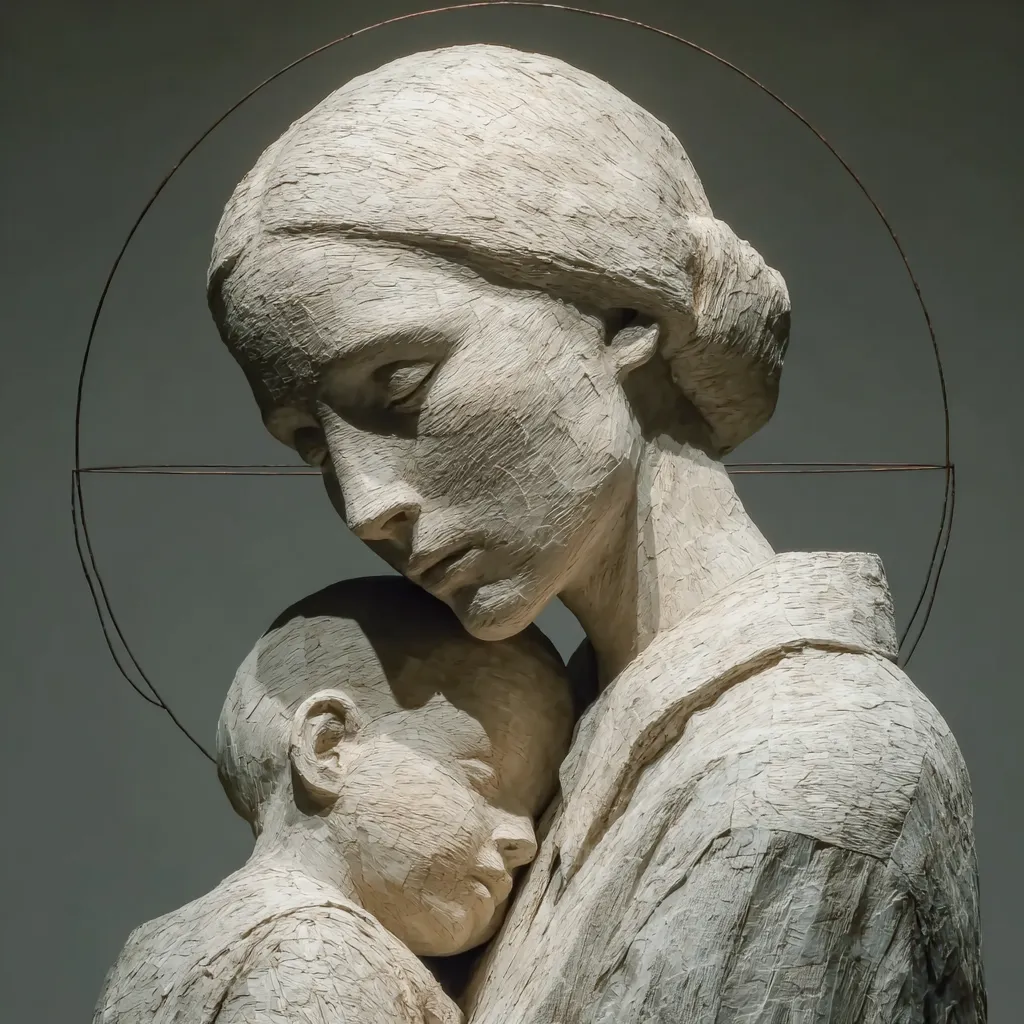
The Mother Pattern — Recognition Guide
I wake up and realize I could sleep longer.
There’s no alarm. No urgent reason to get up. The day isn’t stacked. Nothing is technically required of me yet.
And still—my body tightens.
Not panic. Not quite guilt. More like a low-grade alertness that says: now isn’t the time.
I lie there, half-awake, negotiating.
Just ten more minutes.
I’ll still get everything done.
It’s fine.
But even as I think that, another part of me is already scanning consequences.
If I sleep in, I’ll start the day behind.
If I start behind, I’ll feel rushed.
If I feel rushed, I won’t manage things properly.
It escalates quickly.
Sleeping becomes a risk calculation.
I think about how nice it would feel to stay where I am. Warm. Unassigned. Not yet responsible for anything.
And immediately a counter-thought appears:
This is indulgent.
No one said it out loud.
No one needs me right now.
But my body reacts as if something important is being neglected.
As if staying in bed is a small failure of character.
I tell myself I’ve earned it.
I worked late. I handled everything. I showed up.
But “earned” is the wrong word.
Because even as I consider it, I’m already bracing for the cost.
If I rest now, I’ll have to make it up later.
Move faster. Be sharper. Stay tighter.
Rest doesn’t feel like restoration.
It feels like debt.
So I get up.
Not because I want to.
Not because I need to.
But because staying feels unsafe.
As if something might slip if I don’t take my post.
As if ease invites disorder.
Later, I’ll tell myself I’m just disciplined.
That I like mornings.
That I feel better once I’m up.
And sometimes that’s even true.
But underneath it is a rule I never agreed to consciously:
Nothing bad happens while I’m holding everything together.
Sleeping in would mean letting go—even briefly.
And my system doesn’t yet believe that’s allowed.
This is the mother pattern.
It keeps your system braced even when nothing is wrong.
That brace becomes your state.
And the state you create from shapes what shows up.
Outcomes arrive slower, smaller, or heavier than they need to.
Once you can see the bind,
it can be unbound.
Ways the Mother Pattern Might Show Up
You can present these as signals, not traits.
“Notice if any of these feel familiar when pressure increases.”
This doesn’t mean you live here all the time.
It means this position becomes active under pressure.
In the body / state
A constant low-level brace, even during rest
Difficulty fully relaxing unless everyone else is settled
Tension that returns quickly after release
Feeling responsible for holding the emotional or logistical field
Fatigue that doesn’t resolve with rest
In behavior
Stepping in before being asked
Monitoring others’ needs automatically
Doing things yourself because it’s “easier” or “faster”
Difficulty receiving help without correcting or managing it
Staying functional while quietly overextended
In decision-making
Choosing the option that keeps things stable rather than what you want
Delaying personal desires until conditions feel “safe” (they rarely do)
Feeling uneasy when things are going well
Measuring choices by impact on others first
Carrying responsibility that was never explicitly assigned
In timing and momentum
Starting things cleanly, then stalling under sustained demand
Losing energy once something requires consistency or visibility
Momentum collapsing when rest is needed — but not taken
Feeling “behind” even when you’re doing a lot
Progress that feels heavier than it should
In relationships
Being the emotional regulator in the room
Feeling subtly indispensable — and resenting it
Others leaning while you stay upright
Difficulty letting others experience discomfort
Being relied on more than supported
In self-perception
Identity tied to being capable, steady, or strong
Guilt when prioritizing yourself
Feeling unsafe when you’re not managing something
Confusing rest with risk
Measuring worth through reliability rather than aliveness
When this pattern is active, nothing is “wrong.”
The system is doing exactly what it learned to do to maintain safety.
Created with systeme.io