MAGICAL EGYPT PRESENTS
Magical
ASIA
SIGN UP FOR UPDATES
Decoding the Temples of Asia
WALKING THE TEMPLE IS A PRACTICE OF KARMA YOGA.
IT IS A RITUAL OF REMEMBRANCE
—A PATH FOR THE SOUL TO RECOGNIZE ITS OWN ECHO IN STONE AND SKY,
TO RECALL WHAT IT IS,
AND WHO IT HAS ALWAYS BEEN.
To walk a sacred temple without understanding is to admire a book by its binding. But when one grasps the esoteric architecture—the metaphysical intent encoded in every line, axis, and proportion—the temple ceases to be stone and becomes revelation. It is no longer a monument to the past but a living text of cosmic instruction. Each step becomes initiatory, each threshold a veil parted. You are not simply visiting; you are being restructured. The geometry is not symbolic—it is the thing itself. And once your body has moved through its sequence, your psyche cannot remain unchanged. You remember something the world made you forget.
Bangkok
DAY ONE
After settling into your riverside sanctuary, we gather for a first moment of quiet together. A simple invocation opens the space—an invitation to presence, to alignment, to remembering what brought you here.
As dusk begins to fold over the city, we walk to the water’s edge. There’s a graceful welcome: a gesture of movement, something cool to sip, and that subtle shift in the air that tells you the evening is about to unfold.
Dinner is shared at River Barge, where flavors from across Thailand meet global influences in a setting both elegant and unhurried. From reimagined street food to refined contemporary dishes, everything is prepared with care and the best ingredients available. The Chao Phraya flows just beyond the terrace, and the city lights flicker across its surface like a language you almost remember.
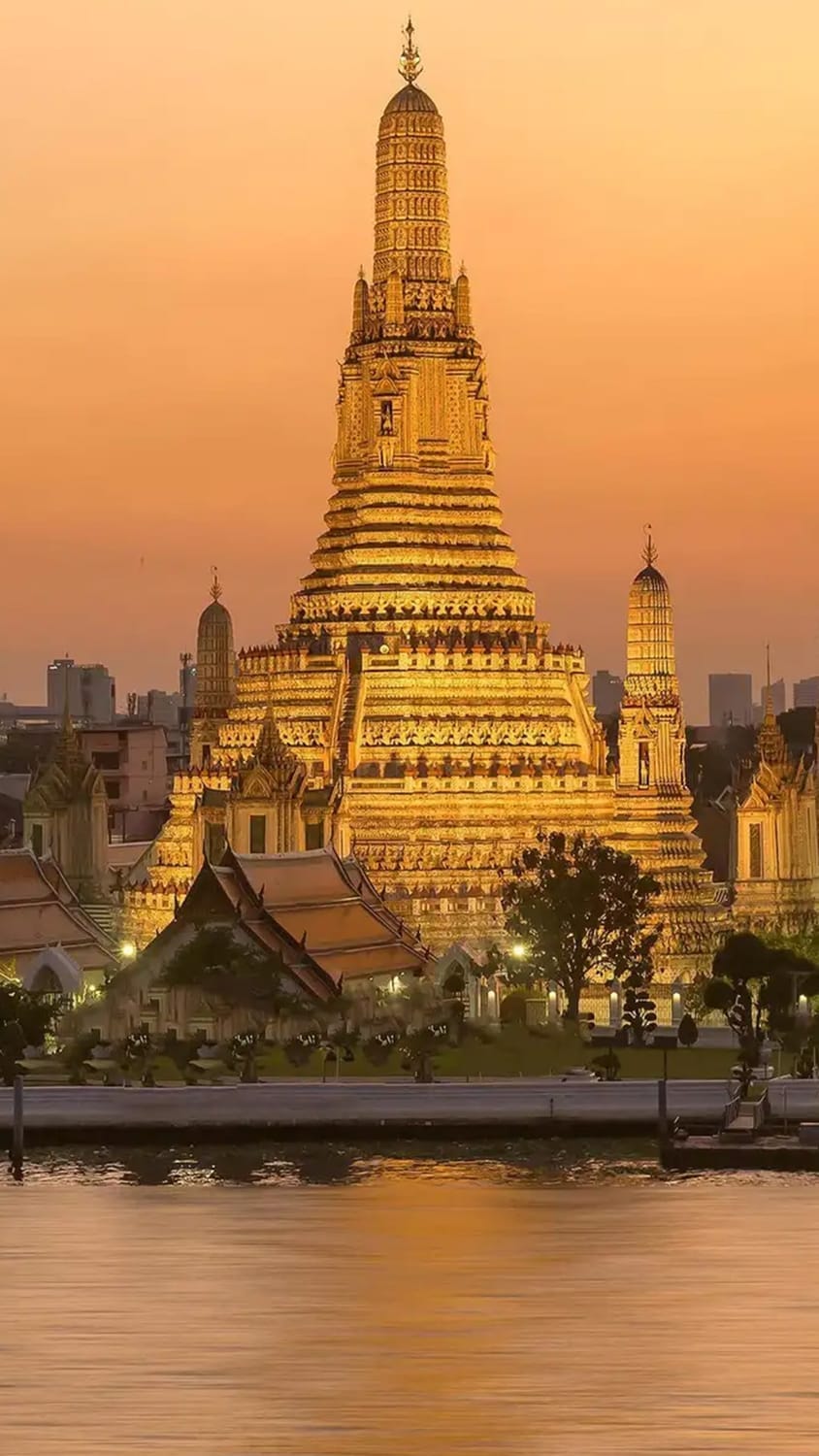
As we sit alongside the river, Bangkok reveals another face. Wat Arun, the Grand Palace, and the spires of the old capital shimmer in shadow and light. The temples we’ll walk through in daylight show themselves now as something else entirely—half-seen, dreamlike, alive.
Ayutthaya
DAY TWO
Ayutthaya: Ritual Technology and the Residue of Power
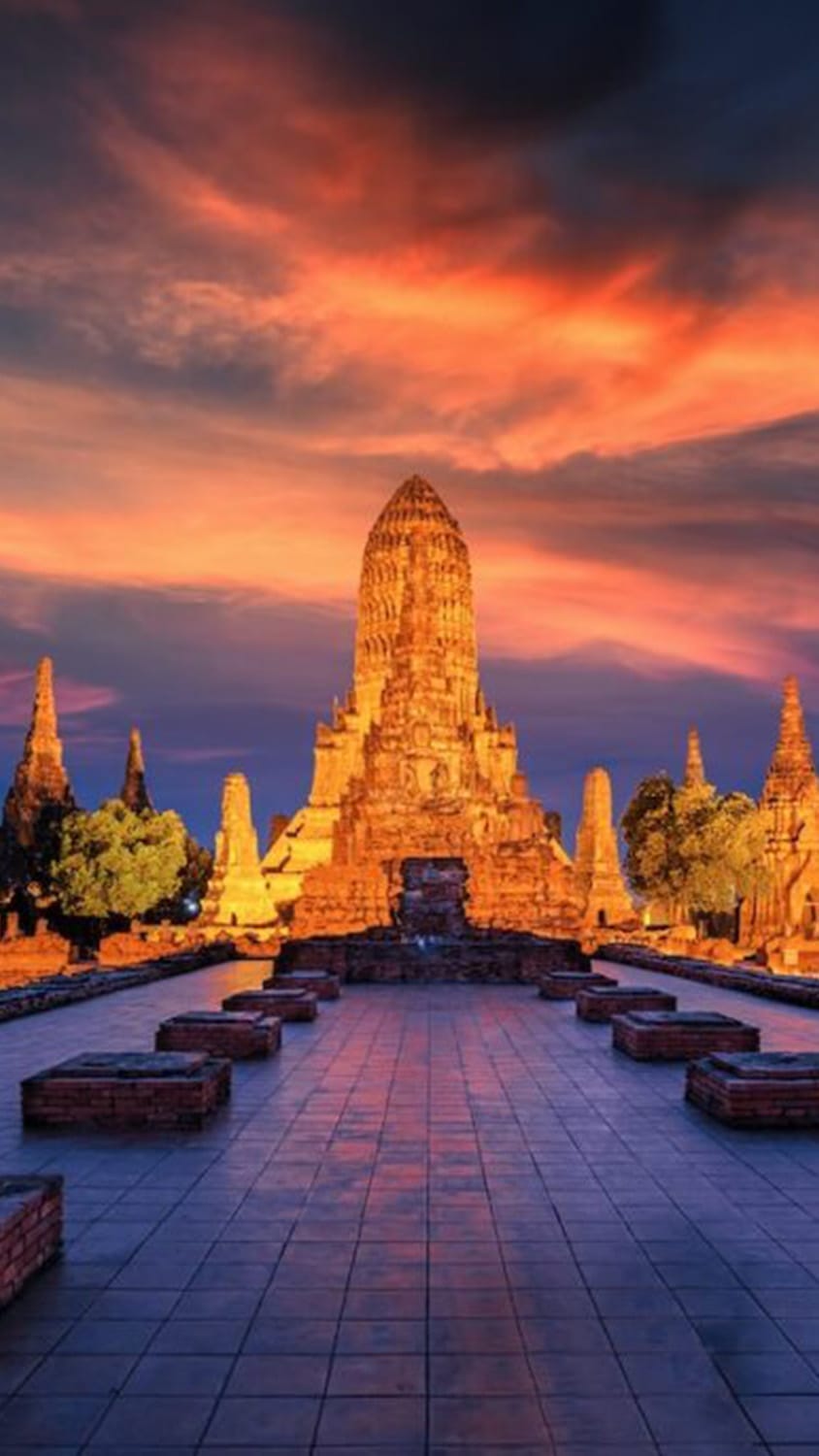
Ayutthaya was not built for beauty. Not entirely. Beneath its golden rooftops and processional avenues was something more deliberate. A system. A structure that linked the heavens to the throne and the throne to the land, just like in Ancient Egypt. Its moats, spires, and corridors weren’t decorations—they were alignments. The city worked like a yantra: patterned, intentional, quietly operative.
We begin at Wat Phra Si Sanphet, once the royal chapel. Commoners weren’t allowed inside. Neither were monks. Only kings and those in service to their rites. The three chedis still stand, aligned like breath. They hold royal remains, but also represent layers of presence—body, speech, and mind; or perhaps earth, ether, and sky. One of them once sheltered a Buddha cast in solid gold. It weighed over 250 kilograms. The Burmese melted it down during the sack of 1767. There are stories that its absence is still felt. The air here moves differently.
Further in, Wat Ratchaburana waits with a quieter force. This temple was raised on the ground where two princes died—brothers who fought to the death for the crown. Their younger sibling took the throne and built this place to hold the memory, or maybe to seal it. The crypt is deep and painted with fading scenes of descent—into darkness, through judgment, toward light. Some who go down speak of pressure in the chest. Others feel nothing and return uneasy anyway. Locals advise stillness before entering. And silence.
All across the island, prangs rise like vertebrae. Khmer in form, but adapted. They don’t just point skyward—they conduct. Ancient builders placed them not only as symbols of Meru, the cosmic mountain, but as channels. Ayutthaya was laid out like a subtle body. Each major temple mapped to an inner point. The city breathed.
Buddha images still hold their stations. They weren’t placed for worship alone. Each gesture was chosen, each gaze aimed to stir something precise. Calm here doesn’t mean blankness. It means calibration. Sit long enough and you’ll notice—your thoughts move differently around these figures.
Between temples, the thresholds speak. Nagas, lions, guardian spirits carved into stone. Not there for pageantry. These figures formed part of the interface—ritual boundaries that signaled a shift in the field. Many locals still lower their eyes as they approach, or whisper a name under their breath. Shoes come off earlier than expected. Not out of habit. Out of recognition.
As we walk, we move in ways the space understands: slow circles, breath mapped to direction, watching where light lands and how it leaves. These were the old protocols—not performance, but participation. They tuned the body to the architecture, and the architecture responded.
No one here is playing tourist. The city isn’t asking to be looked at. It’s listening for those who remember how to engage it.
Ruins, yes. But not abandoned. The current still hums.
After our full day of exploration and as the sun begins to lower over the ancient capital, we retreat again to the riverside—where dinner will be served overlooking the Chao Phraya, the very same artery we were on last night, that once carried kings, relics, and sacred intentions.
Across the water, the silhouettes of ruined stupas catch the last light like dormant transmitters. The scent of frangipani drifts in the air. History presses close. And slowly, almost without noticing, we begin to tune ourselves to something deeper—something just beneath the surface. This is the threshold: the moment the outer journey begins to turn inward. Where what we’ve read meets what we feel. Where the ruins begin to murmur their meaning.
Lopburi
DAY THREE
Phra Prang Sam Yot (Monkey Temple)
We rise early for a final walk through Ayutthaya. We then leave the ritual density of Ayutthaya behind and begin the journey north.
As we journey toward Sukhothai, we make a memorable stop in Lopburi to visit its most iconic site: Phra Prang Sam Yot. This 13th-century Khmer temple, commissioned under King Jayavarman VII, is a striking example of Mahāyāna Buddhist–Hindu architecture later absorbed into the Theravāda Buddhist traditions of the Ayutthaya period.
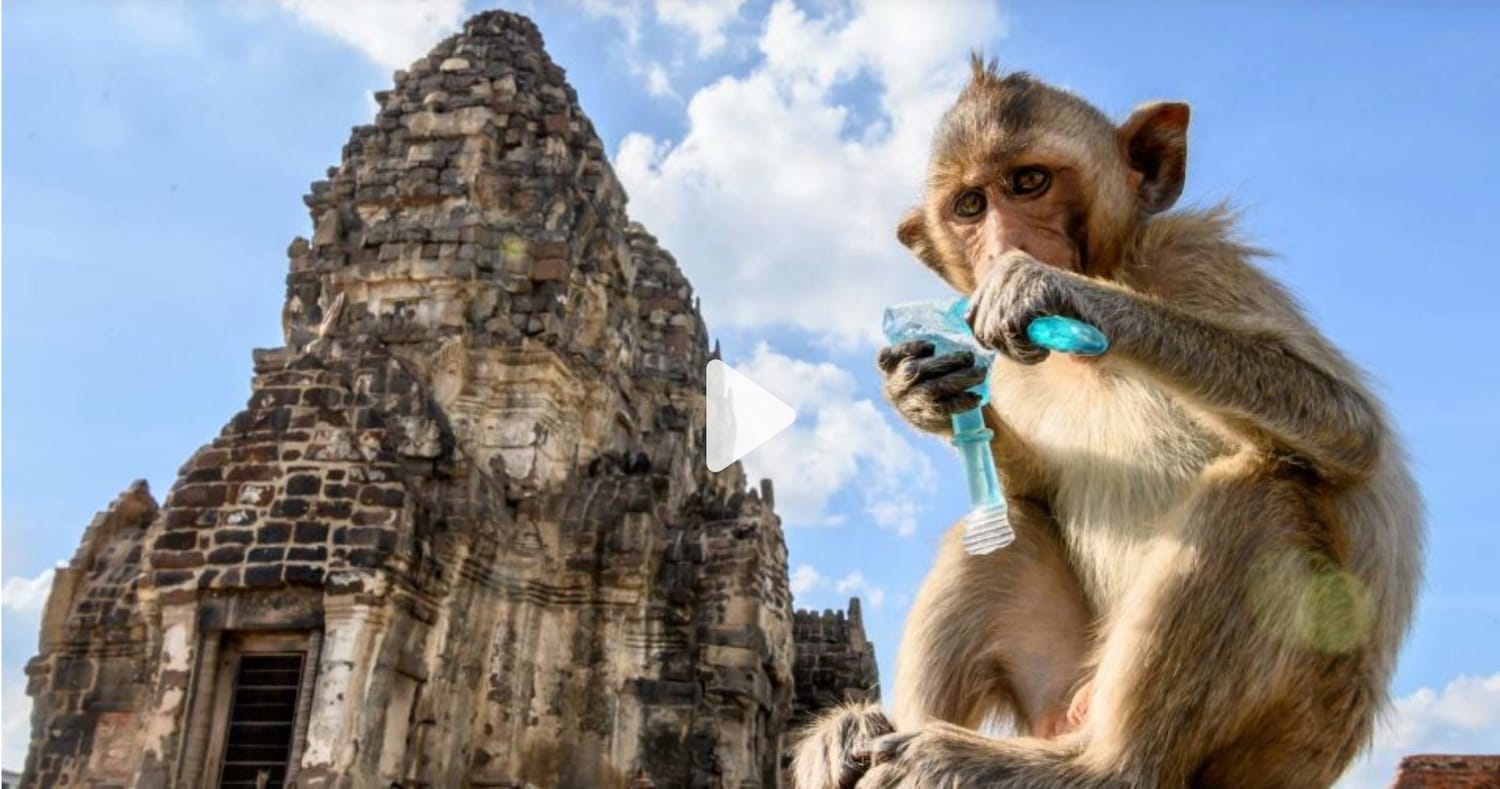
The temple’s three prangs—symbolic towers—are dedicated to Brahma, Buddha, and Avalokiteśvara, forming a spiritual triad carved in stone. But what truly brings the site to life today are its current inhabitants: hundreds of wild macaques who roam freely among the ruins.
Known affectionately as the Monkey Temple, this site offers a surreal juxtaposition of sacred geometry and playful chaos. Visitors are welcome to feed the monkeys (vendors sell snacks nearby), but take care—these clever creatures are known for their sticky fingers and fearless curiosity.
Yes, this is a photo op but it is also a moment of vivid encounter with Thailand’s living mythology.
Sukhothai
DAY FOUR
Sukhothai: The Geometry of Inner Silence
In Sukhothai, we enter a different frequency—one of grace, proportion, and quiet mastery. While Ayutthaya dazzled through scale and power, Sukhothai teaches through subtlety. This is not just the birthplace of the Thai script and state—it is a cradle of sacred design.
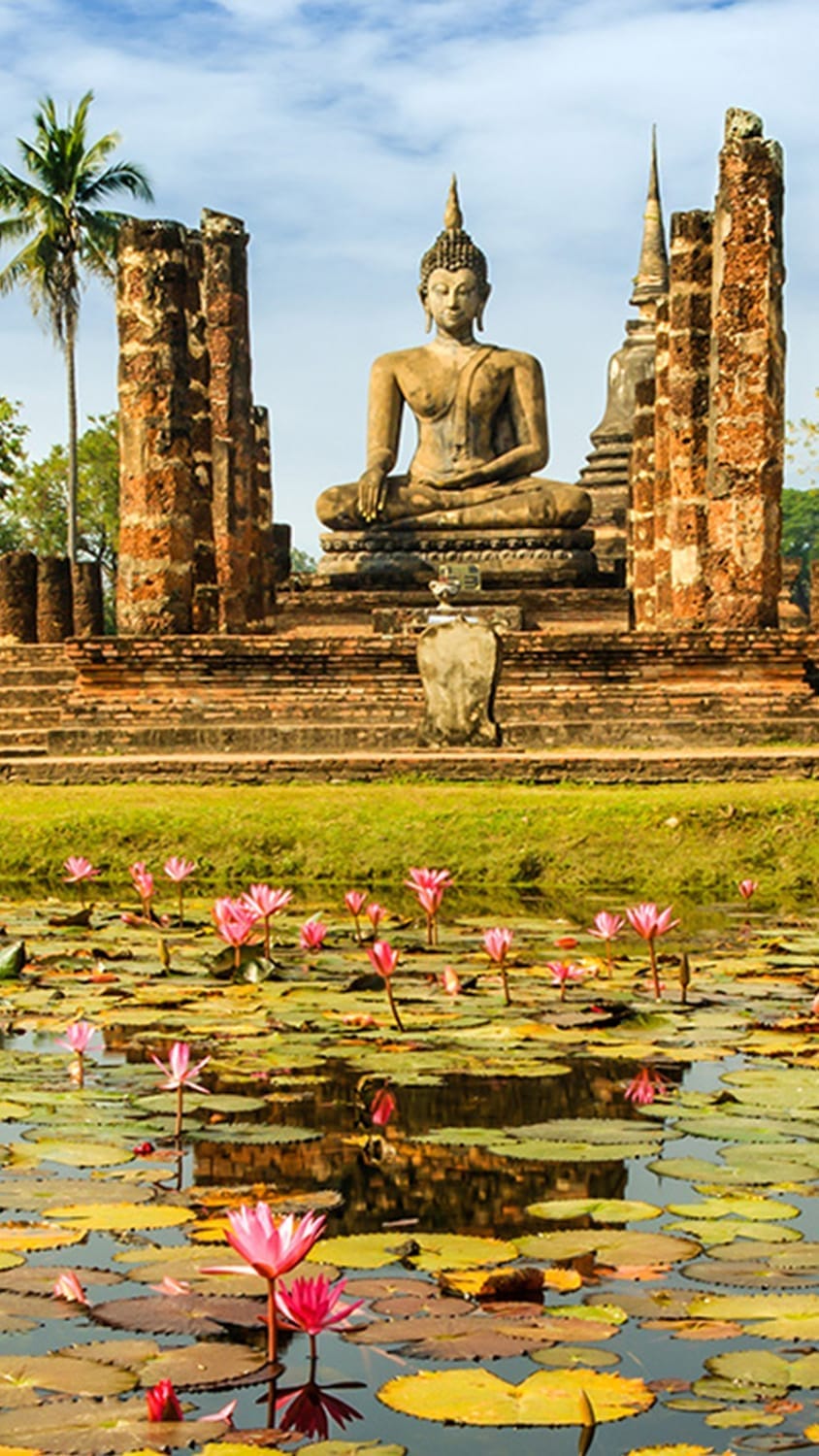
We begin at Wat Mahathat, the spiritual center of the ancient kingdom, where the layout forms a classic mandala: axial symmetry, concentric boundaries, and a central lotus-bud stupa rising like a still point in a turning world. Here, we study the architecture as a mirror of inner structure—each perimeter corresponding to levels of consciousness, each gate a threshold in the subtle body.
The Buddha images of Sukhothai seem to breathe. We’ll sit before them and the Walking Buddha at Wat Sa Si, whose movement is not physical but energetic. With its flame-like ushnisha and flowing limbs, it embodies a state of awakened motion: not doing, but being moved. We explore how the Sukhothai sculptors encoded states of meditative absorption (jhāna) into physical form—each curve and expression acting as a transmission.
At Wat Si Chum, we meet Phra Achana—the colossal seated Buddha enshrined in a narrow mondop, his hand outstretched in the calling-the-earth-to-witness mudrā. The structure amplifies his presence; the walls funnel attention; the chamber compresses sound. When you sit before him in silence, something stirs—an inner recalibration. We’ll engage in guided stillness here, tuning to the temple’s acoustics and energetic focus, allowing the image to function as it was intended: not art, but a portal.
You will also learn about the sacred water system—the ponds and lotus-covered moats designed not just for irrigation, but for energetic regulation. These weren’t ornamental; they mirrored the concept of the primordial waters (āpō dhātu) from which form arises. Walking along these banks becomes a meditation on stillness, reflection, and purification.
Throughout our time in Sukhothai, we’ll explore how sacred proportion, breath, posture, and directionality were used not as metaphors, but as active technologies—part of a system that used architecture, image, and natural elements to entrain human consciousness to higher states.
This is the hidden teaching of Sukhothai: that form can liberate, and that beauty was never decoration—it was a method.
Bangkok
DAY FIVEeadline
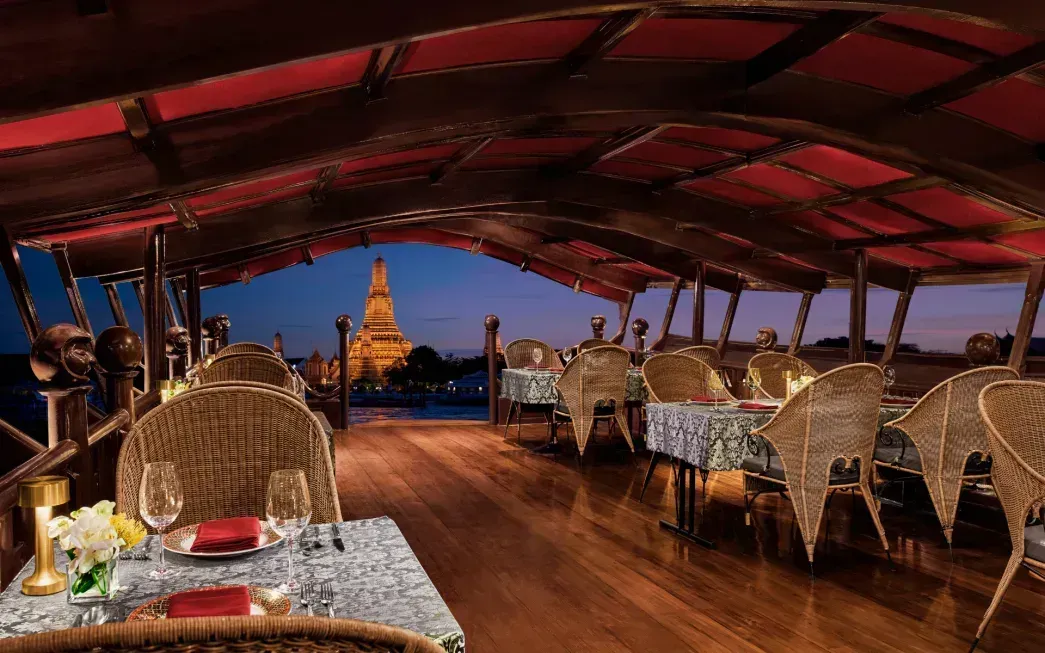
We fly back to Bangkok, and check-in at our hotel. As twilight deepens, we descend to the water’s edge and step aboard the Manohra, a timeless teakwood vessel. Its carved elegance cradles you as the boat slips into the river's slow rhythm.
Bangkok’s ancient silhouette reveals itself in a new light. Wat Arun, the Grand Palace, and the storied spires of the old capital shimmer along the banks like half-remembered dreams.
The same temples we’ll walk by day, we now behold as mysteries cloaked in night.
Course by course, Thai flavors arrive—fragrant, nuanced, rooted in centuries of ritual and harvest. The evening unfolds in softness and scent, reflection and wonder.
Eventually, the boat glides home to the pier. You return to your room beneath a sky alive with riverlight, gently attuned to the path ahead.
DAY SIX
The Liminal Day: Rest, Drift, Discover
The day is yours.
Not an absence of plan, but the presence of possibility. You’ve arrived in a city built on water and myth. Let your body rest or let your spirit wander. The invitation is open.
Should you crave stillness, drift into it fully:
Book a private suite at Divana Spa, where oils are stirred with jasmine and gold leaf, and ancient Thai massage becomes a rite of renewal.
Take tea at the Authors’ Lounge at the Mandarin Oriental, where ghosts of Somerset Maugham and Joseph Conrad still whisper through the rattan and orchids. Time slows here, on purpose.
If the current of the city calls you outward:
Explore the artist enclave of Talad Noi, where forgotten machine parts become altars, and every wall tells a story in rust and spray paint. It’s a dreamscape of Bangkok’s industrial past, now reborn as mythic ruin.
Visit the Bangkokian Museum, a quiet jewel, almost always empty. It’s a preserved home from the 1930s, untouched by time—a meditation on domestic ritual and quiet elegance.
Wander to Erawan Shrine, where prayers burn sweet and high and the four-faced god listens from every direction. You may witness dance troupes performing in exchange for granted wishes—living votives.
Or let the river have you again.
Board a private longtail boat, slip into the back canals (khlongs) where Bangkok still breathes in her old rhythm—stilted homes, spirit houses, floating kitchens. This is where the city forgets it’s a city.
Dine on a rooftop at Sala Rattanakosin with a view back toward Wat Arun—so you can greet it in the twilight.
This day is yours to dream into.
And whatever you do—or do not do—is exactly what was meant.
NIGHT SIX
Later… The Voice You Didn’t Know You Had
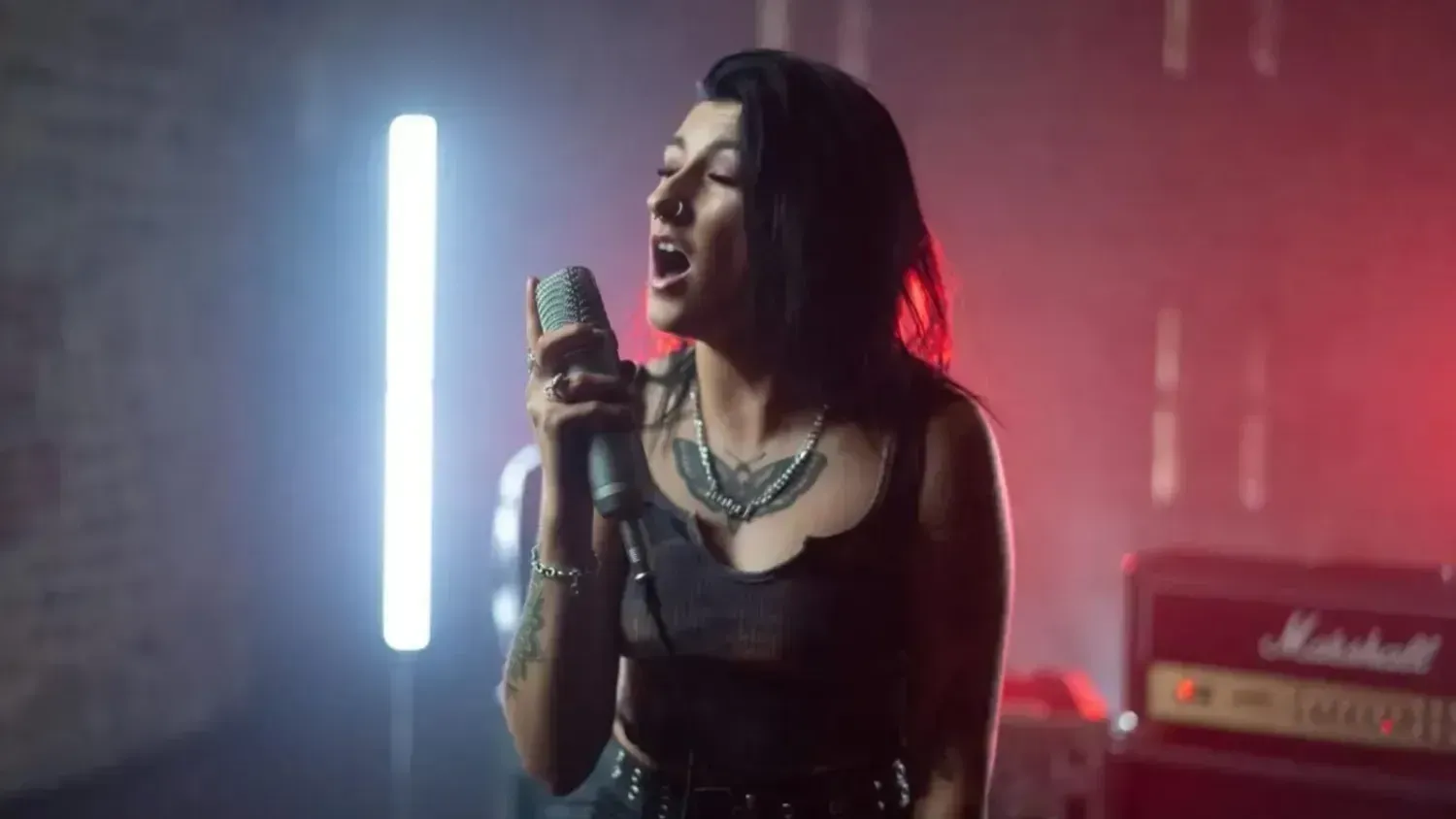
Later that evening, we’ve reserved a private karaoke lounge for those who feel called to join. There’s no pressure to sing—some come just to listen, to laugh, to connect in a looser, more playful way.
For those who do choose a song, it’s less about performance and more about expression. Whether you whisper a ballad or belt out a classic, the invitation is to surprise yourself—not with how well you sing, but with what you choose to sing. Sometimes a song reveals more than we expect.
This evening is lighthearted, low-stakes, and entirely optional. Just a chance to unwind, enjoy each other’s company, and perhaps feel a little more free.
DAY SEVEN
Wat Arun: The Temple That Rises Like Consciousness
Wat Arun, the “Temple of the Dawn,” is stunningly beautiful. It’s also metaphysically precise. Built on the west bank of the Chao Phraya River, it rises with the sun and aligns with the great cycles of rebirth. Its towering central prang (Khmer-style spire) is an axis mundi, a symbolic Mount Meru, the center of the universe in both Hindu and Buddhist cosmology.
Every level of the temple, every step, every tier, reflects a deeper movement upward through the realms: from the earthly base, through the heavens of the devas, toward the pure land of Nirvana. Like the great pyramids or the stupas of Borobudur, this is a place you ascend ritually, not just physically.
Wat Arun is unique in how it weaves Khmer, Thai, Hindu, and Buddhist influences into a coherent spiritual architecture. It’s covered in fragments of Chinese porcelain—shimmering in daylight and moonlight—symbolizing the shattered illusions of the material world, remade into transcendence. A visual alchemy.
Ankor Wat
DAY EIGHT
Siem Reap does not greet you—it remembers you.
The air is thick with old incantations, whispered by banyan roots and stone lions who’ve kept vigil through centuries of forgetting.
Here, time folds like silk. The sun casts long shadows across lotus ponds, and the temples do not sleep—they listen.
Here you are not a tourist. You are the echo of someone who once walked barefoot through the galleries of Angkor, your hands tracing the stories carved in sandstone, your breath in rhythm with apsaras mid-dance.
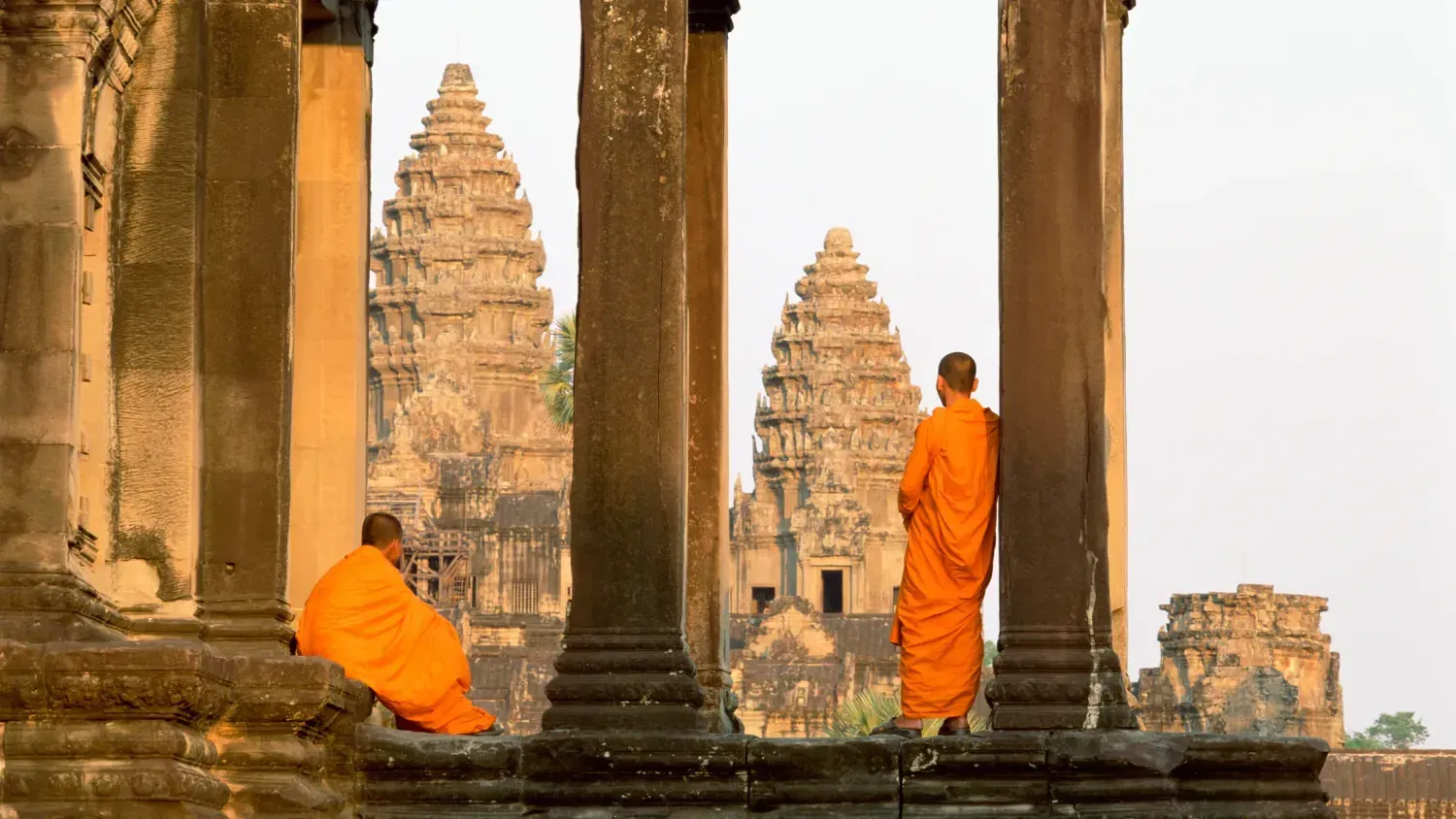
Dust rises like incense. Monks in saffron pass silently, the world parting for them as it did for kings.
The land recognizes your bones before your mind can catch up.
DAY NINE
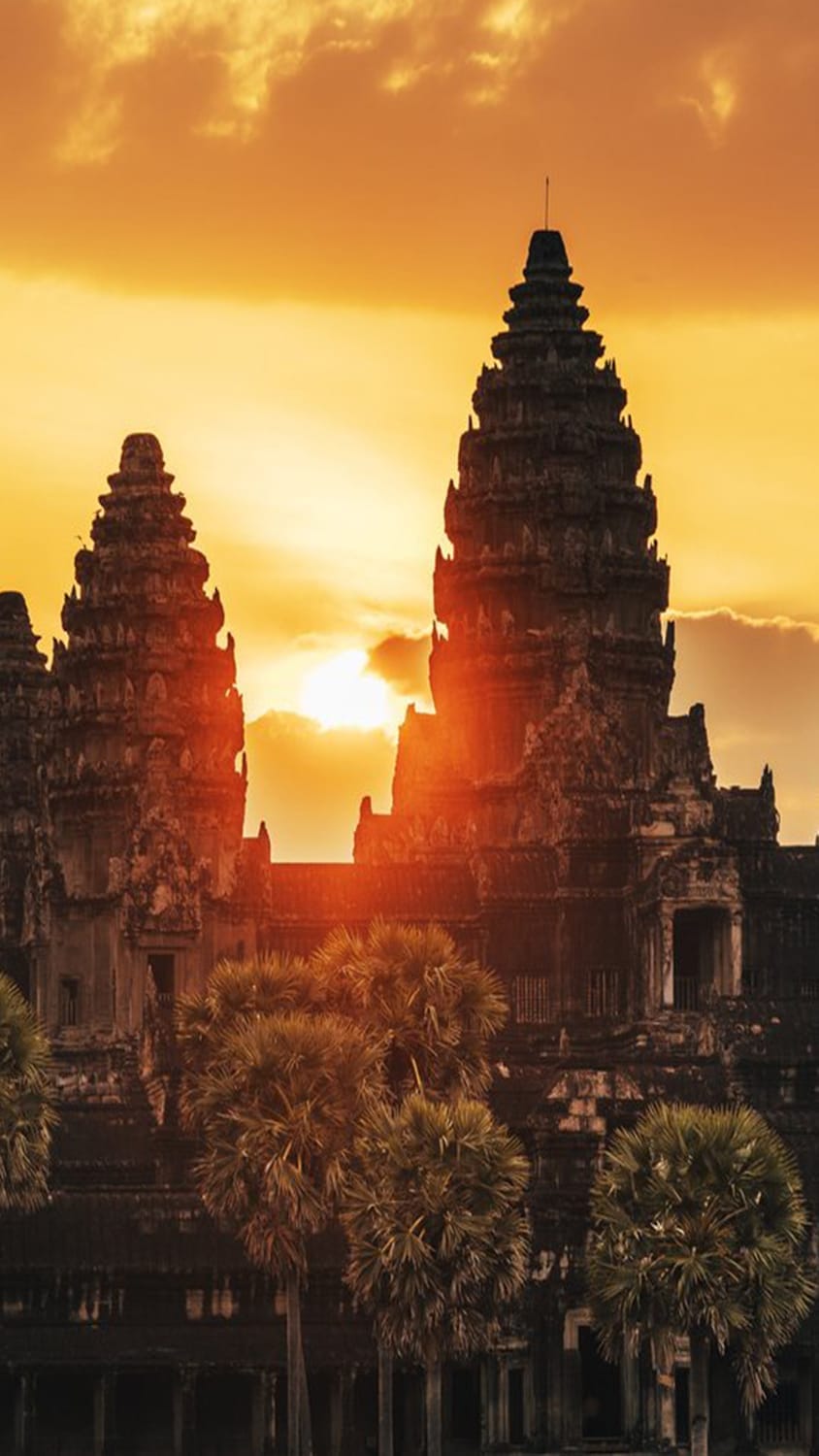
In the hush before dawn, the silhouette of Angkor Wat rises against a deepening sky—its towers like frozen flames, awaiting ignition. As the horizon softens and the first gold breaks through, we cross the causeway not as tourists, but as initiates.
This is not a casual entrance, but a ritual one.
We move in silence, tracing the same eastern axis the sun has followed for centuries—an alignment not only of astronomy, but of intention. With each step, we engage the temple’s geometry as it was meant to be engaged: as a theurgical threshold, tuned to rebirth and resonance.
The rising sun is not just light, but signal—activating the structure’s latent metaphysics. We are stepping into a machine of stone and myth, one calibrated to orient the soul beyond death, and if one is ready, beyond the cycle itself.
At Angkor Wat, we go beyond historical admiration to engage with it as a living technology of consciousness. Esoterically, we will explore how the Khmer architects functioned as theurgists—ritual technologists who fused cosmology, myth, and geometry into operative systems of transformation. Through guided exploration and decoded symbolism, you’ll learn how Angkor Wat serves not merely as a sanctuary for the gods, but as a sophisticated apparatus for afterlife orientation and incarnation engineering.
We’ll examine how sacred proportions, axial alignments, and mythic reliefs form an initiatory path—designed to re-pattern the soul's descent into matter and its return to source. These teachings will reveal how the temple was constructed to do more than honor the divine—it was built to replicate divine processes, enabling participants to ritually and energetically ascend. This is not symbolic. It is functional. And once seen, it changes how you understand every sacred site that followed.
DAY TEN
Ta Prohm, originally known as Rajavihara (“Royal Monastery”), was founded by King Jayavarman VII in the late 12th century as a Mahayana Buddhist monastic complex. Dedicated to his mother and intended as a spiritual center for healing and merit-making, the temple functioned as both a religious institution and a seat of royal devotion. Inscriptions indicate it housed over 12,000 people, including priests, monks, and temple workers, and was richly endowed with gold, pearls, and silk.
Unlike many other temples of Angkor that have been heavily restored, Ta Prohm was left largely in the condition it was found—overgrown by trees and roots—by the École française d'Extrême-Orient, which aimed to preserve what they called its "picturesque" and "romantic" quality. This state of controlled ruination has made Ta Prohm a focal point in debates about conservation philosophy: whether to restore or to honor the aesthetic of sublime decay.
Symbolically, scholars have noted how the entanglement of architecture and jungle evokes themes of nature’s reclaiming of human ambition. The image of roots enveloping stone has been interpreted as a metaphor for the temporality of empire, the fragility of human legacy, and the return of all constructed forms to the ground of being—ideas resonant in both Buddhist thought and postcolonial critique.
From a spatial perspective, Ta Prohm reflects the classical Khmer temple plan, organized around a central sanctuary with concentric galleries and courtyards, aligned to cosmological principles. Its orientation and axial layout reflect the Khmer synthesis of Indian cosmology and indigenous animist traditions, embedding within the stone a mandalic understanding of space as both physical and metaphysical.
We will visit this and several other of the stunning temples, including the enigmatic Bayon, with its serene, all-seeing faces—believed to represent either the bodhisattva Avalokiteśvara or a deified Jayavarman VII himself—watching in all cardinal directions. This mandalic structure reveals the integration of statecraft and cosmology, where kingship was inseparable from spiritual stewardship.
We will also explore Banteay Srei, the "Citadel of Women," renowned for its miniature scale and exquisite pink sandstone carvings—arguably the most refined in all of Angkor. Scholars note that its exceptional detail and mythological reliefs suggest not merely artistic virtuosity but a temple designed for initiatory purposes, perhaps even constructed or commissioned by Brahmin scholars rather than royal decree.
Our path may also lead to Preah Khan, another temple founded by Jayavarman VII, dedicated to his father and functioning as both university and monastic complex. With its multi-layered symbolism, collapsed libraries, and sacred lingas, it offers fertile ground for exploring the intersection of knowledge, power, and sanctity.
These are textual architectures—sacred diagrams etched in stone, encoding cosmological, political, and psychological truths. To walk them with reverence and awareness is to begin decoding the ancient science of consciousness once practiced here.
DAY ELEVEN
A Day of Return or Discovery
Today is yours to shape. Revisit a temple that moved you, linger where you felt the veil was thinnest, or explore one you’ve yet to see—each site holds new meanings on second glance. Let your intuition guide the morning.
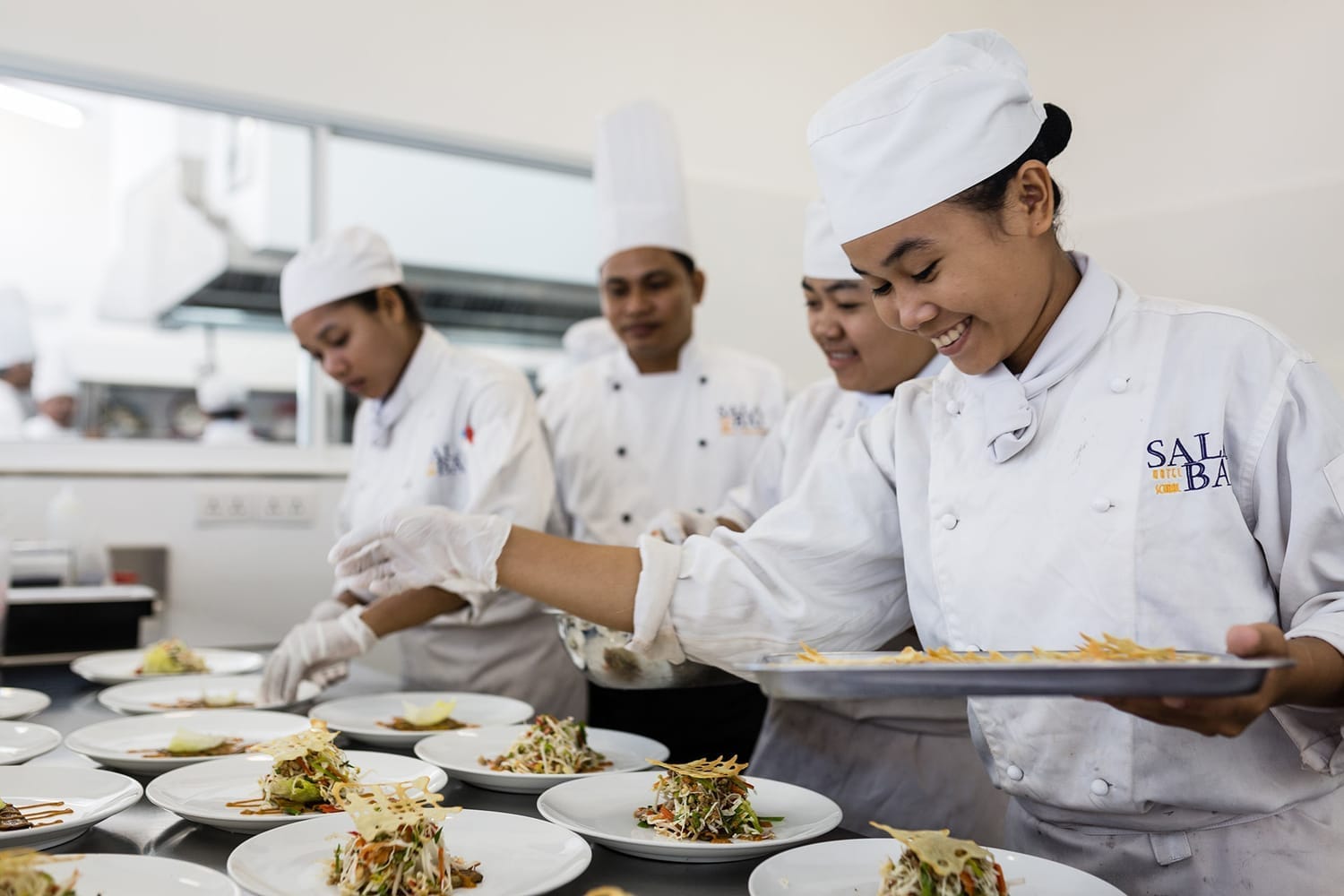
if you wish we will gather for a special lunch at Sala Baï, a training restaurant operated by a respected NGO. Here, young Cambodians from underprivileged backgrounds receive professional hospitality training. The menu features a thoughtful selection of Khmer and international cuisine, prepared and served by the students as part of their hands-on education. By dining here, you’re not only enjoying a beautiful meal—you’re directly contributing to the empowerment and future of these students, helping them build sustainable careers in the hospitality industry.
Again the afternoon is yours...
DAY TWELVE
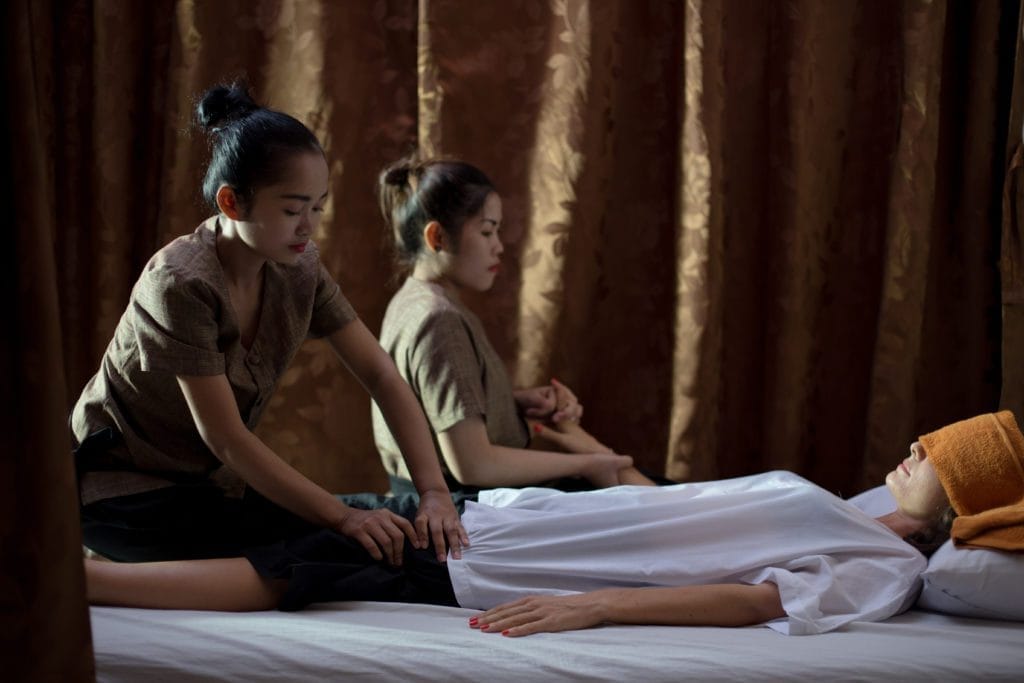
On our final morning, time stretches. Some may choose a last Khmer massage to anchor the body and seal the journey. Others may return to a favorite temple—one that called quietly, or revealed itself slowly. This is a soft closing, not an ending. A final glance. A final offering. And then, we return to the City of Angels—Bangkok—carrying not just memories, but a subtle shift in orientation. The sites we visited were never ruins. They were mirrors. And something in us now sees differently.
Educational Support
As part of your journey, two beautifully designed preparation classes are included in the cost of the trip. These sessions—offered live or as recordings—can also be purchased separately, but if you join the full experience, the class fee will be refunded or deducted. Why? Because entering a sacred site with knowledge changes everything. You don’t just see a temple—you feel its structure working on you. With the right preparation, the architecture becomes a teacher, and your walk becomes an initiation.
CLASS ONE
Sacred Architecture as Spiritual Technology”
In this class, we learn how to walk a temple. We explore how to experience a Buddhist temple or stupa—not as a tourist, but as an initiate. Drawing on Keith Critchlow’s and Adrian Snodgrass's esoteric insights, we’ll learn how to approach sacred architecture as a living field of intelligence. The stupa is not a monument to be admired, but a structure to be entered, encircled, and understood with the body as much as the mind. From the grounding square of the earth to the ascending spire of the heavens, we’ll uncover how each layer of the temple guides consciousness upward. You’ll learn how to walk a temple with reverence and attunement—allowing its geometry to reorient your perception and awaken memory.
SIGN UP FOR UPDATES
CLASS TWO
The Living Temple: Culture and Hidden Wisdom of Angkor Wat
This course is an anthropological and esoteric study of the ancient Khmer civilization, focusing on the sacred city of Angkor. Drawing from the 13th-century eyewitness accounts, we explore the daily life, rituals, gender roles, spiritual practices, and architectural cosmology of a society that encoded its metaphysics into stone, ceremony, and social custom. While grounded in historical detail, the course also reads between the lines—tracing the invisible threads of belief, power, and sacred design that shaped one of the most sophisticated civilizations in Southeast Asia.
MARZA MILLAR WILL OFFER
A COURSE AS WELL.
TO BE ADVISED
Your Investment
Single Room
Solo Traveler Rate
For those traveling solo and preferring a private room, the total cost is $6197.
This includes all accommodations, experiences, and inclusions, with no need to share.
Payment Plan
Deposit $1,500.00 Paid ASAP
• Payment 1: 1$1,611 August 15
• Payment 2: 2$1,611 August 30
• Payment 3: $1,611 September 15
Large Call to Action Headline
Double Occupancy
Bring a Bestie..
Travel with a friend or be matched with a like-minded roommate and enjoy a reduced rate of $5,221 USD each. Book together, pay $10,442 USD and save almost $2,000 .
Payment Plan
Deposit: $3,000.00 – Due ASAP to secure your place
• Payment 1: $2,667 – Due August 15
• Payment 2: $$2,667 – Due August 30
• Payment 3: $$2,667 – Due September 15
Important Information, please read : )
Payment Information
To support the commitments we've made with our ground team, a structured payment plan is available. While using the plan is optional, it has been designed to serve both your needs and the logistical integrity of the tour.
To secure your place, a deposit is required by August 30, 2025.
If you prefer to pay in full, you may do so anytime up until October 15, 2025, provided spaces remain available. Please note that after August 30, we cannot guarantee availability without a deposit.
This structure helps ensure a smooth experience for everyone involved.
Refund Policy in Case of Travel Advisory Due to Conflict
In the event that an official government-issued travel advisory is enacted due to war, armed conflict, or significant geopolitical instability in the destination countries, any deposits, or payments paid will be fully refundable. This applies only if the advisory is issued prior to departure and specifically warns against non-essential travel to the region.
We are committed to your safety and peace of mind. Should such an advisory be issued, you will have the option to receive a full refund of your deposit or apply the amount to a future journey with us.
A Small Group, A Spacious Journey
Yes, there’s a bus—but this isn’t that kind of tour.
We’ve capped the group at 12 people to keep the experience intimate, intentional, and attuned. You’ll have room to stretch out—on the bus, in the temples, and within yourself.
Smaller numbers mean more presence. More time at each site. More space for questions, conversations, and the quiet moments in between.
It also means spots are limited. If this feels like it’s for you, best to move while there’s still room.
Oh..and we insist of you having travel insurance..could be the best $8 a day ever spent. Ask me for suggestions : )
A MAGICAL ADVENTURE
Sacred & Sensory
12Days / 11 Nights – Dates: November 21 to December 2, 2025
Start / End Point: Bangkok, Thailand
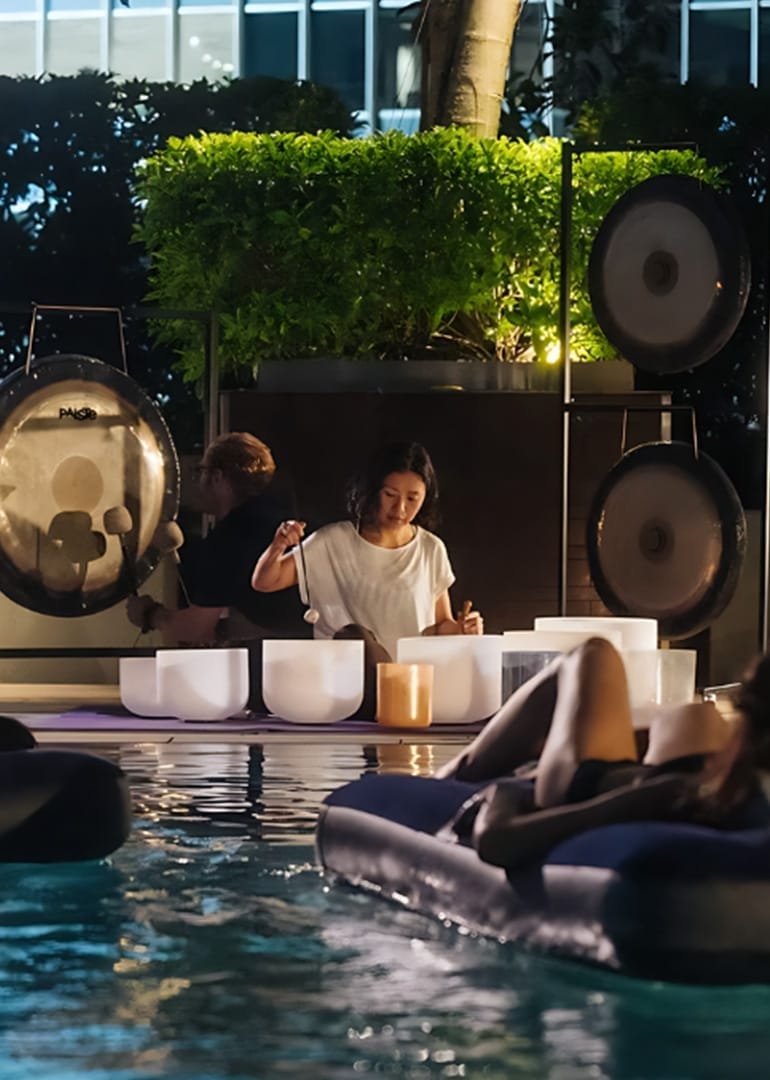
A journey of soul and sensation—from temple rituals and floating sound baths to jungle sanctuaries and seaside stillness. Let the land move through you. Let beauty rewire your memory.
✅ Inclusions
11 nights’ luxury accommodation with daily breakfast
All tours & transfers
Flight from Sukhotai to Bangkok
International Flight from Thailand to Cambodia
Meals as mentioned in the itinerary (e.g., welcome dinner, ritual feasts, curated lunches)
Entry permits & tickets for all scheduled experiences and sites
All local taxes and service charges
❌ Exclusions
International flight ticket to/from Thailand
Meals not specified in the itinerary. Alcoholic Drinks
Tipping: $3 USD per person per day (standard local practice)
Visa fees (if applicable based on nationality)
Travel insurance (highly recommended)
Personal expenses and services not specifically listed
Unforeseen costs due to weather, airline issues, or other uncontrollable factors
Optional Krabi Extension?
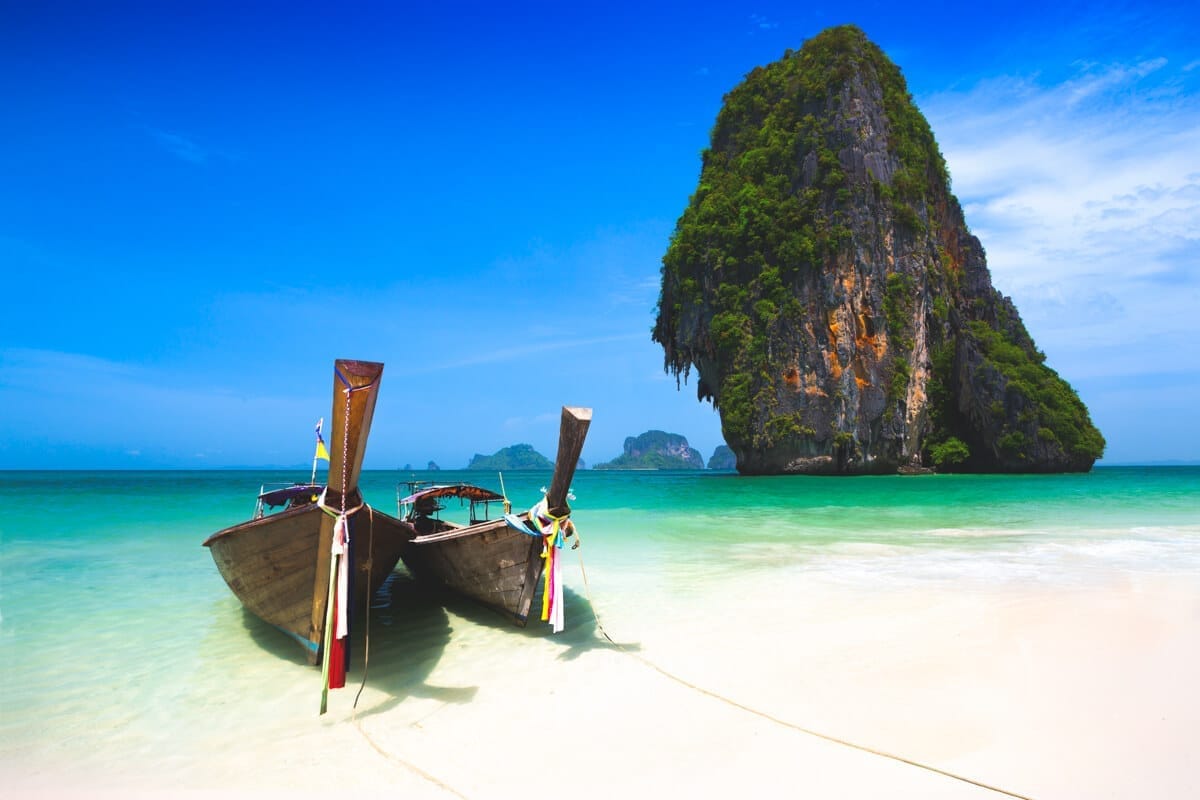
If you're interested in a 2-night, 3-day (or longer) extension in Krabi to unwind, explore, or soak up a bit more paradise, please let me know ASAP. We're gauging interest to coordinate accommodations and activities.

Created with systeme.io
Terms & Conditions | Privacy Policy


